Masking Tooth Discoloration Caused by Tetracycline or Trauma
You brush twice a day. You floss. You’ve tried whitening strips, special toothpastes, maybe even a professional whitening session. Still, certain teeth refuse to brighten. That frustration is more common than most people realize. Not all stains come from coffee, tea, or red wine. Some discoloration begins deep inside the tooth, long before daily habits come into play.
Two common causes are exposure to tetracycline antibiotics during childhood and dental trauma from accidents or sports injuries. These stains live beneath the enamel, making them far more stubborn. That’s why traditional whitening often disappoints.
Understanding why your teeth are discolored is the first step toward choosing a solution that actually works. And in many cases, masking, not whitening, is the most effective path forward.
Understanding Internal Tooth Discoloration
Tooth stains fall into two broad categories: external and internal. External stains affect the enamel surface. They’re caused by foods, drinks, tobacco, or plaque buildup and usually respond well to whitening or professional cleanings.
Internal discoloration is different. It occurs when pigment becomes trapped within the dentin, the layer beneath enamel. Once discoloration reaches this level, surface treatments can’t access it. That’s why whitening products often leave people confused when results look uneven or unchanged.
Internal stains form when the tooth develops with an altered mineral structure or when internal bleeding occurs after trauma. Over time, these pigments oxidize and darken, creating gray, brown, or yellow tones that don’t fade on their own. Because enamel is translucent, whatever happens underneath shows through. Treating these cases requires methods that either block the color entirely or work from inside the tooth rather than the surface.
What Is Tetracycline Staining
Tetracycline is an antibiotic once commonly prescribed to children and pregnant mothers. When taken during tooth development, it binds to calcium in the forming teeth. As teeth mature, the medication becomes permanently embedded in the dentin.
The result is distinctive staining that ranges from light gray to deep brown, often appearing in horizontal bands. The severity depends on dosage, timing, and duration of exposure. These stains are not superficial. They sit deep within the tooth structure, making them resistant to over-the-counter whitening products.
In Dover and surrounding areas, many adults are only now discovering that childhood prescriptions are the reason whitening never worked for them. While modern dentistry avoids tetracycline use in young patients, the effects remain lifelong unless properly addressed with advanced cosmetic techniques.
How Dental Trauma Leads to Tooth Darkening
A fall on the playground, a sports collision, or even biting something unexpectedly hard can injure a tooth internally. Sometimes the damage isn’t visible right away. Inside the tooth, blood vessels may rupture, or the nerve may slowly deteriorate.
As blood products break down within the pulp chamber, they stain the surrounding dentin. Over time, the tooth darkens from the inside out. This is why a single tooth often appears noticeably darker than the rest.
Many patients at Dover Family Dentistry mention injuries from years ago, bike accidents, basketball games, or childhood mishaps that suddenly make sense once discoloration is explained. Trauma-related staining doesn’t mean the tooth is lost, but it does mean whitening alone won’t solve the problem.
Why Traditional Teeth Whitening Often Fails
Teeth whitening works by lifting stains from the enamel surface. It’s effective for external discoloration but limited when pigment lies deeper. For internal stains, bleaching agents simply can’t penetrate far enough to make a meaningful difference.
In cases of tetracycline staining, whitening may slightly lighten the shade but rarely produces uniform results. Trauma-darkened teeth may not respond at all. Worse, aggressive whitening can exaggerate contrast between teeth, making discoloration more noticeable.
That said, whitening still has a role. It can enhance surrounding teeth before restorative treatment or help fine-tune final color outcomes. But when deep discoloration exists, masking techniques are usually required to achieve a natural, balanced smile.
Effective Ways to Mask Tetracycline or Trauma-Related Discoloration
When tooth discoloration starts beneath the enamel, surface whitening usually isn’t enough. In these cases, masking the stain, rather than trying to lift it, delivers more predictable and natural-looking results. A professional cosmetic dentist in Mountain Home can decide the right option, depending on the cause of discoloration, the health of the tooth, and how long you want the results to last.
Porcelain Veneers

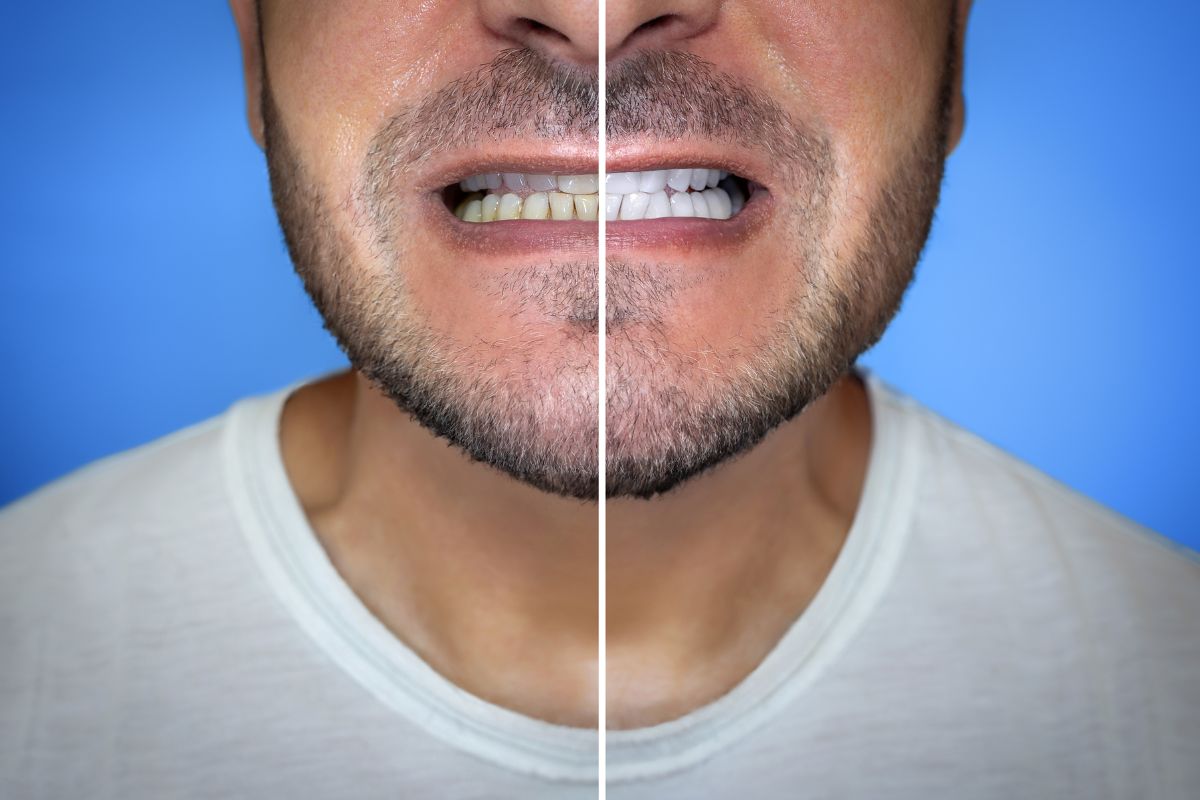
Porcelain veneers are one of the most effective solutions for masking deep discoloration. These thin, custom-crafted shells are bonded to the front surface of the teeth and designed with enough opacity to block dark internal stains while still reflecting light like natural enamel.
Veneers work best when teeth are healthy but discolored due to tetracycline exposure or long-standing internal staining. Because the color is built into the veneer itself, results are immediate and even across the smile.
Patients also appreciate that veneers resist staining and maintain their appearance for many years with proper care. In addition to color correction, veneers can subtly improve shape, spacing, and symmetry, making them a popular cosmetic option for patients seeking a refined, natural smile.
Dental Crowns
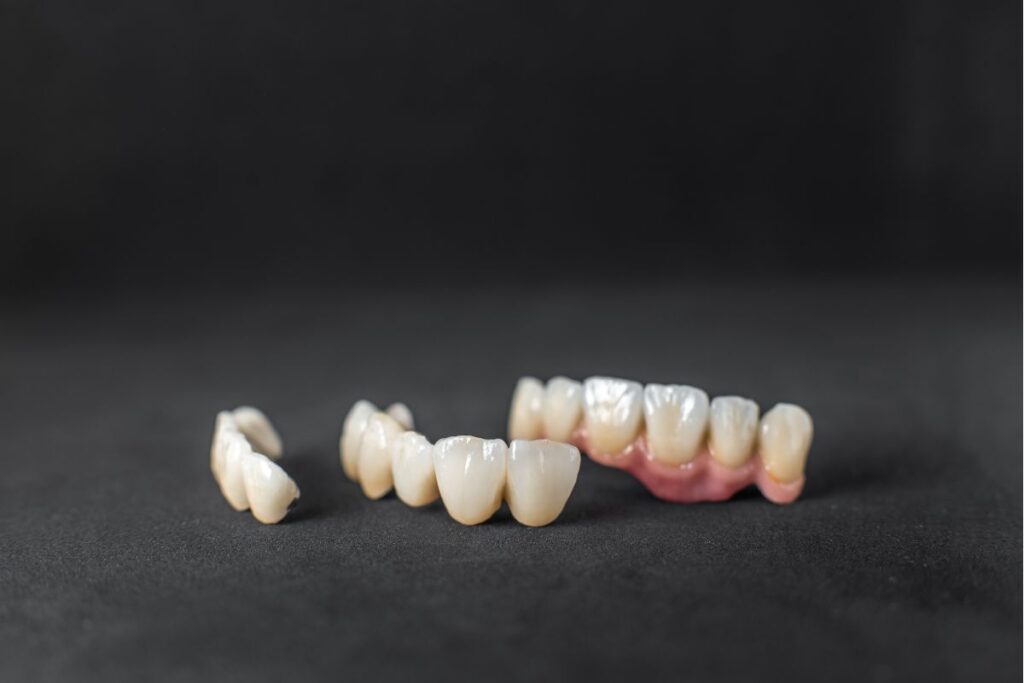
When discoloration is combined with structural damage, dental crowns are often the preferred solution. Trauma can weaken a tooth internally, even if it looks intact from the outside. In these cases, a crown restores both strength and appearance.
Crowns fully cover the tooth, which allows complete masking of internal discoloration. This makes them especially effective for teeth that have undergone root canal treatment or have cracks, large fillings, or internal breakdown. Full-coverage crowns focus on durability and protection, while cosmetic crowns emphasize aesthetics.
The choice depends on how much structure remains and how the tooth functions. Either way, crowns provide long-term stability and reliable color correction.
Internal Bleaching (For Trauma-Related Cases)
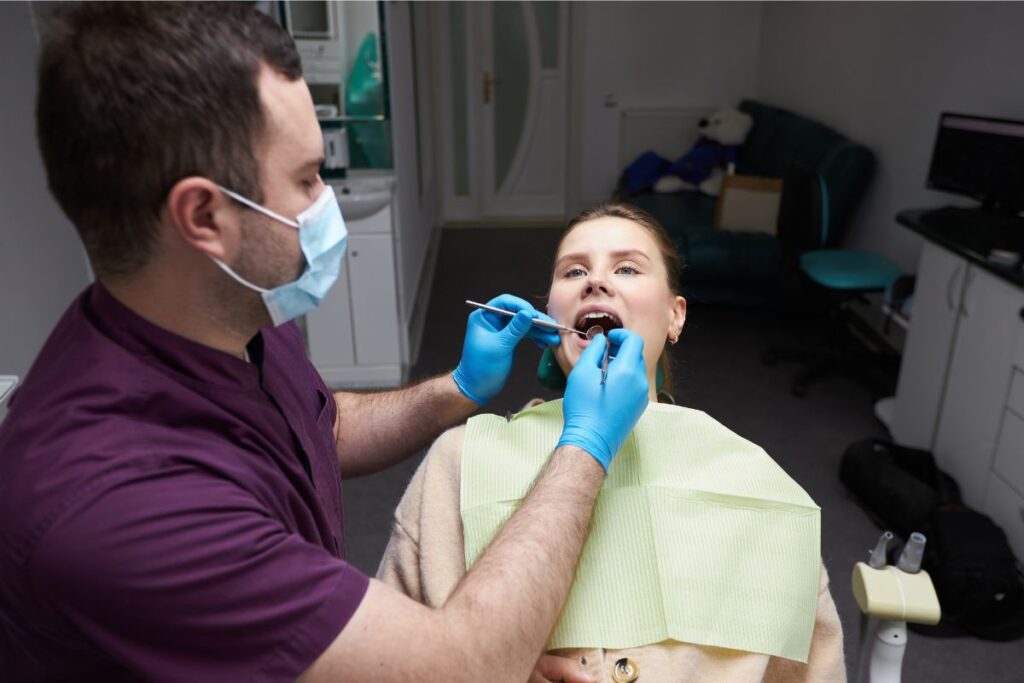
Internal bleaching is an option for teeth that have darkened after trauma but are otherwise structurally sound. This technique is only used when the tooth’s nerve is no longer active and has been properly treated.
The process involves placing a bleaching agent inside the tooth, allowing it to lighten from within over several visits. Internal bleaching can significantly improve color, especially in teeth that have darkened gradually after injury. However, results vary. Some teeth respond well, while others reach a plateau and remain slightly darker than surrounding teeth.
It’s important to understand the limitations. Internal bleaching may not fully eliminate deep stains, and results may fade over time. In cases where discoloration persists, veneers or crowns may still be recommended for consistent, long-lasting results.
Choosing the Right Treatment Option
Selecting the best solution depends on several factors. Severity matters. Mild internal staining may respond to conservative options, while deeper discoloration requires coverage.
Tooth health is equally important. Structurally compromised teeth need reinforcement, not just cosmetic correction. Smile goals also play a role. Some patients want subtle improvement, others want a dramatic transformation.
A cosmetic dentist in Mountain Home evaluates these variables together, ensuring treatments align with long-term oral health. At Dover Family Dentistry, planning always considers durability, appearance, and how results will age over time.
What Results Can Patients Expect
Results vary based on the method used. Veneers and crowns offer immediate, uniform color improvement that lasts for years. With proper care, porcelain restorations often maintain their appearance for a decade or more.
Internal bleaching may require multiple visits and produces gradual changes. Maintenance involves good oral hygiene, regular exams, and avoiding habits that compromise restorations.
Patients often report renewed confidence, especially when long-standing discoloration is finally resolved. Knowing what’s realistic helps set expectations and ensures satisfaction with the outcome.
When to Seek Professional Evaluation
If whitening products haven’t worked despite consistent use, internal staining may be the reason. Sudden darkening of a single tooth is another clear sign.
Early evaluation prevents unnecessary frustration and expense. A personalized plan ensures treatment matches the cause, not just the symptom. Dover Family Dentistry focuses on understanding each patient’s history before recommending solutions.
Deep tooth discoloration can feel discouraging, but it’s far from uncommon, and it’s treatable. Advances in cosmetic dentistry make it possible to mask even the most stubborn stains with natural-looking results.
Whether discoloration stems from childhood medication or past injury, modern solutions offer predictable outcomes. With the right approach, your smile can reflect how healthy and confident you feel.
If you’re ready to explore options beyond whitening, schedule a consultation with Dover Family Dentistry and take the next step toward a brighter, more balanced smile.
People Also Ask
1. Is internal bleaching safe for darkened teeth?
Yes, when done properly on the right cases. It’s only recommended for teeth that have already been treated internally and are structurally healthy.
2. How do I know if my discoloration is internal or surface-level?
If whitening products haven’t worked or the color looks gray or brown, the stain is likely internal and needs professional evaluation.
3. Will veneers or crowns damage my natural teeth?
These treatments are designed to protect and restore teeth. When planned carefully, they preserve function while improving appearance.
4. Can trauma-related discoloration get worse over time?
Yes. Without treatment, internal changes can continue, making the tooth darker and more noticeable.
5. Is there an age limit for treating deep tooth discoloration?
No. As long as the teeth and gums are healthy, adults of any age can benefit from cosmetic solutions for discoloration.