Dental Implants in Mountain Home, AR
Dental implants last 25+ years—here’s how to make yours last forever in Mountain Home, and it starts with understanding what actually determines their lifespan. Most patients are surprised to learn that implants can outlast crowns, bridges, and even dentures by decades. With the right habits and the right dental team, many patients keep their implants for life. Dr. Matthew Dover at Dover Family Dentistry wants every Mountain Home patient to get the most from this long-term investment.
How Long Do Dental Implants Actually Last?
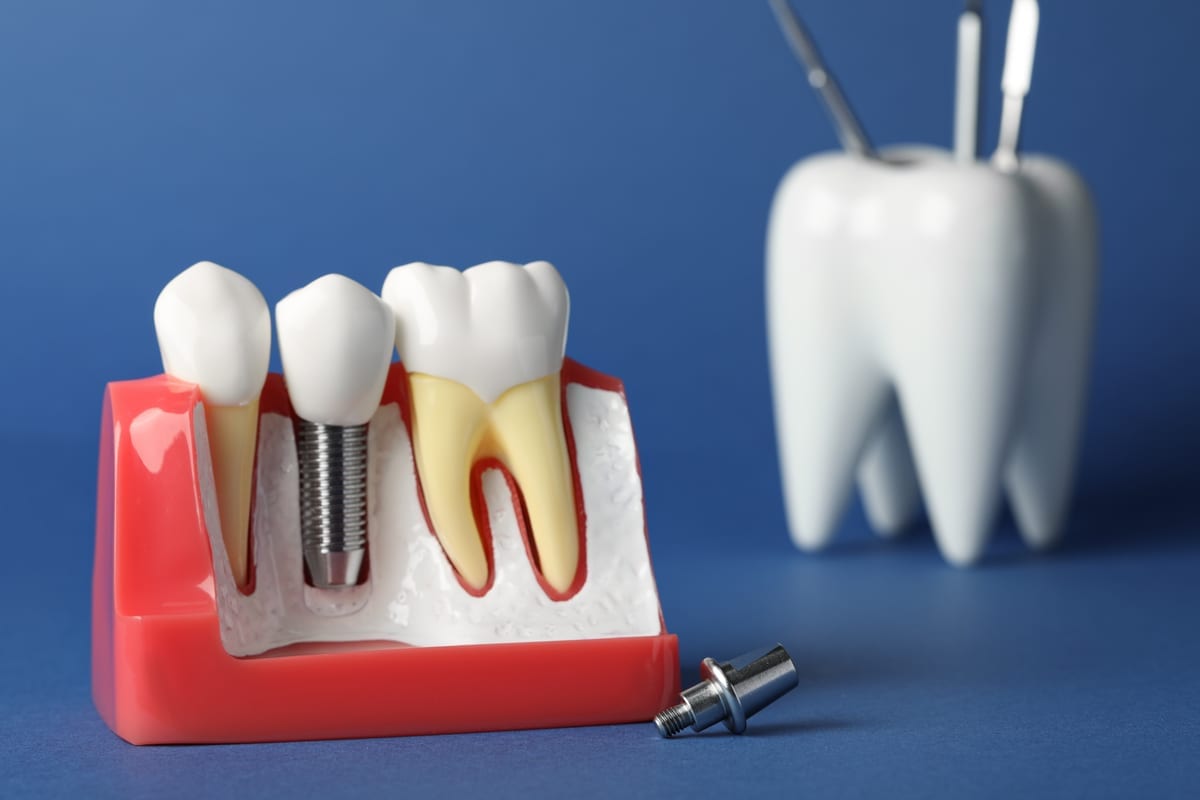
The titanium post that anchors a dental implant into your jawbone can last a lifetime. Studies consistently show implant survival rates above 95% at the 10-year mark. Many implants placed in the 1970s and 1980s are still functioning today. That kind of longevity is hard to match with any other tooth replacement option.
The crown on top of the implant is a separate story. Crowns typically last 10 to 20 years before they need replacement. Biting forces, oral hygiene habits, and material quality all play a role. The good news is that replacing a crown is far simpler than replacing the implant post itself.
So when people ask how long dental implants last, the honest answer is: potentially forever. Your daily habits and routine dental visits determine where your implants fall on that spectrum. Understanding the factors that shorten implant lifespan is the first step toward protecting yours.
Factors That Shorten Implant Lifespan in Mountain Home Patients
Several lifestyle and health factors can reduce how long your implants perform well. Smoking is one of the biggest threats to implant longevity. Tobacco reduces blood flow to the gums, slows healing, and significantly increases the risk of implant failure. Patients who smoke face a failure rate up to twice that of non-smokers.
Uncontrolled diabetes also poses a serious risk. High blood sugar impairs the healing process and increases susceptibility to infection around the implant site. Mountain Home patients managing chronic conditions should work closely with both their physician and their dentist. Keeping systemic health in check protects your implants from the inside out.
Here are the most common factors that shorten implant lifespan:
- Smoking or using tobacco products
- Uncontrolled diabetes or other systemic conditions
- Poor oral hygiene and infrequent cleanings
- Teeth grinding (bruxism) without a night guard
- Skipping routine dental checkups
- Bone loss due to untreated gum disease
Teeth grinding deserves special attention. Bruxism puts tremendous pressure on implants over time. That repeated stress can loosen the crown or even damage the post. A custom night guard is a simple, affordable way to protect your implants while you sleep.
What You Can Do Every Day to Make Your Implants Last Forever
Daily oral hygiene is the single most powerful tool you have. Brushing twice a day with a soft-bristle toothbrush removes plaque before it hardens into tartar. Tartar buildup around an implant leads to peri-implantitis, which is essentially gum disease around the implant. Left untreated, it can cause bone loss and implant failure.
Flossing around implants matters just as much as brushing. Standard floss, implant-specific floss, or a water flosser all work well. The goal is clearing debris from the gum line where bacteria love to hide. Making this a nightly habit takes less than two minutes and pays off for decades.
Here are the daily habits that protect implant longevity:
- Brush twice daily with a soft-bristle or electric toothbrush
- Floss or water-floss around each implant every day
- Rinse with an antibacterial mouthwash to reduce bacteria
- Avoid chewing ice, hard candy, or other extremely hard foods
- Wear a night guard if your dentist has identified bruxism
Diet also plays a quiet but important role. Crunchy vegetables and a low-sugar diet support gum health and reduce bacterial load. Reducing alcohol intake helps too, since heavy alcohol use has been linked to slower implant healing. Small daily choices add up to decades of reliable function.
Why Professional Care in Mountain Home Keeps Implants Healthy Long-Term
Routine professional cleanings are non-negotiable for implant patients. Even the most diligent home care misses areas that only specialized tools can reach. A dental hygienist uses instruments designed specifically for cleaning around implant posts without scratching the surface. Twice-yearly visits to Dover Family Dentistry catch early warning signs before they become costly problems.
During each visit, Dr. Dover checks for signs of peri-implantitis, crown wear, and bite alignment issues. Early intervention is always easier, less expensive, and more successful than waiting. Think of your twice-yearly visit as a tune-up that extends the life of your investment. Patients who stay consistent with cleanings rarely face serious implant complications.
If something feels off between appointments, don’t wait. Swelling, pain, or a loose crown around an implant site should be evaluated promptly. A Dental Emergency visit can prevent a small issue from turning into a full implant failure. Catching problems early is always the right call.
Mountain Home patients also benefit from working with a practice that offers comprehensive care under one roof. Having your implants placed, maintained, and monitored by the same trusted team creates continuity. Dr. Dover understands your full dental history, which leads to better, more personalized care decisions over time.
Is Bone Health the Secret to Lifetime Implants?
The titanium post in your jaw fuses with bone through a process called osseointegration. That bond is what gives implants their remarkable stability. But that bone must remain healthy for the implant to stay secure over the long term. Bone loss is a slow, silent threat that patients often don’t notice until it’s advanced.
Gum disease is the leading cause of bone loss around implants. Keeping gums healthy through regular cleanings and diligent home care protects the bone that anchors your implant. Patients who have experienced bone loss before their implant placement may need a bone graft to ensure a solid foundation. Dr. Dover evaluates bone density carefully before and after placement.
Calcium, vitamin D, and overall nutrition support bone density throughout your life. These aren’t just general health tips — they directly affect how well your jaw bone maintains the grip on your implant post. Staying active and maintaining a balanced diet contributes to the structural health your implants depend on every single day.
Conclusion: Your Implants Can Last a Lifetime
Dental implants are one of the most durable and life-changing investments you can make in your oral health. With proper daily care, routine professional visits, and a few smart lifestyle choices, there is no reason your implants can’t last 25, 30, or even 40+ years. Dr. Matthew Dover and the team at Dover Family Dentistry in Mountain Home, AR are here to help you protect that investment at every stage. Book Now to schedule your appointment with our team.
Frequently Asked Questions
How long do dental implants last on average?
The titanium implant post can last a lifetime with proper care. The crown attached to the post typically lasts 10 to 20 years before needing replacement. Studies show implant survival rates above 95% at the 10-year mark, and many implants placed decades ago are still functioning today.
What is the most common reason dental implants fail?
Peri-implantitis — a form of gum disease around the implant — is the most common cause of implant failure. It leads to bone loss that can loosen or dislodge the post. Consistent oral hygiene and professional cleanings are the best defense against this condition.
Can I get dental implants if I have bone loss?
Yes, in many cases. Patients with bone loss may need a bone graft before implant placement to create a stable foundation. Dr. Dover evaluates bone density carefully and discusses all options with patients before proceeding with treatment.
Does smoking really affect how long implants last?
Absolutely. Smoking significantly reduces blood flow to the gums and slows the healing process after implant placement. Smokers face an implant failure rate roughly twice that of non-smokers. Quitting smoking is one of the most impactful things you can do to protect your implants long-term.
How often should I visit the dentist after getting implants?
Most implant patients should visit Dover Family Dentistry at least twice a year for professional cleanings and checkups. During these visits, Dr. Dover checks for early signs of complications, evaluates the crown for wear, and ensures the surrounding gum and bone tissue remain healthy. Consistent visits are the cornerstone of long-term implant success.