
Keep Your Sedation Dentistry Results Pristine Between Appointments
You finally got through your dental visit with sedation. The anxiety is gone, and your teeth feel amazing. Now the real question is: how do you keep your sedation dentistry results pristine between appointments in Mountain Home? The good news is that with the right daily habits, you can protect everything Dr. Matthew Dover worked hard to achieve for you.
This guide walks you through practical, easy steps to maintain your oral health at home. From brushing techniques to smart food choices, every tip here connects directly to preserving your dental results. Think of your at-home care as the bridge between each visit to Dover Family Dentistry.
Why Between-Visit Care Matters for Sedation Dentistry Patients in Mountain Home
Sedation dentistry allows Dr. Dover to complete more complex dental work in a single visit. That means more is invested in your smile during each appointment. Protecting that investment between visits becomes even more important.
Many sedation patients feel so relieved after their appointment that they forget aftercare routines. Skipping even a few days of proper hygiene can allow plaque to rebuild quickly. This undoes the careful work completed during your visit.
Mountain Home residents who commit to between-visit care also experience less discomfort at future appointments. Consistent oral hygiene reduces inflammation and sensitivity. That can make subsequent visits — sedated or not — far more comfortable.
- Reduced plaque buildup between professional cleanings
- Longer-lasting results from restorative and cosmetic procedures
- Lower risk of needing emergency treatment between visits
- Healthier gums that support dental implants and other work
- Improved confidence knowing your smile stays healthy daily
The Right Brushing Technique to Protect Your Results
Brushing correctly is the single most effective thing you can do at home. Yet most people still use the wrong technique. Here is what Dr. Dover recommends for his Mountain Home patients.
Use a soft-bristled toothbrush at a 45-degree angle to your gumline. Apply gentle, circular strokes rather than aggressive back-and-forth scrubbing. Scrubbing too hard can wear down enamel and irritate gums over time.
Brush for a full two minutes, twice daily. Many people underestimate how long two minutes actually feels. Set a timer the first few times to build the habit properly.
If you had sedation dentistry recently, your gums may feel slightly tender afterward. Use extra-gentle pressure for the first few days. Tenderness that lasts beyond a week should be discussed with our team.
- Choose a soft-bristled brush — never medium or hard
- Replace your brush every three months or after illness
- Use fluoride toothpaste approved by the American Dental Association
- Brush your tongue to reduce bacteria and freshen breath
- Consider an electric toothbrush for more consistent results
Flossing and Rinsing — Your Second Line of Defense
Brushing alone only cleans about 60% of your tooth surfaces. Flossing reaches the spaces between teeth that a brush cannot touch. This is critical for patients who have had restorative work done during sedation appointments.
Floss at least once daily, preferably before bed. Use about 18 inches of floss and wind it around your middle fingers. Gently slide it between each tooth using a C-shape motion around the tooth.
If flossing feels difficult, try a water flosser or interdental brushes. These tools work especially well around Dental Implants Mountain Home patients may have received. They flush debris from hard-to-reach areas around implant posts and crowns.
An antibacterial mouthwash adds another layer of protection. Rinse for 30 seconds after flossing to kill remaining bacteria. Alcohol-free formulas are gentler for patients with sensitive gums.
Diet Adjustments That Preserve Your Dental Work
What you eat directly impacts how long your dental work lasts. Certain foods are harder on teeth and restorations than others. Making small diet changes helps you keep your sedation dentistry results pristine between appointments in Mountain Home.
Avoid hard, crunchy foods like ice, popcorn kernels, and hard candies. These can chip crowns, crack veneers, or loosen restorations. Sticky foods like caramel and gummy candies are also major culprits for pulling work loose.
Acidic foods and drinks erode enamel over time. Limit sodas, citrus juices, and sports drinks as much as possible. When you do consume them, rinse your mouth with water immediately after.
Foods that support oral health include leafy greens, dairy products, and lean proteins. Drinking plenty of water throughout the day also washes away food particles and bacteria. Tap water in Mountain Home often contains fluoride, which actively strengthens enamel.
Products Worth Adding to Your Home Routine
The right products can make a significant difference in your between-visit results. Not every product on store shelves delivers what it promises. Dr. Dover suggests keeping your routine simple but effective.
A fluoride toothpaste is your most important daily product. It strengthens enamel and helps prevent decay from forming between appointments. Look for the ADA Seal of Acceptance on the packaging.
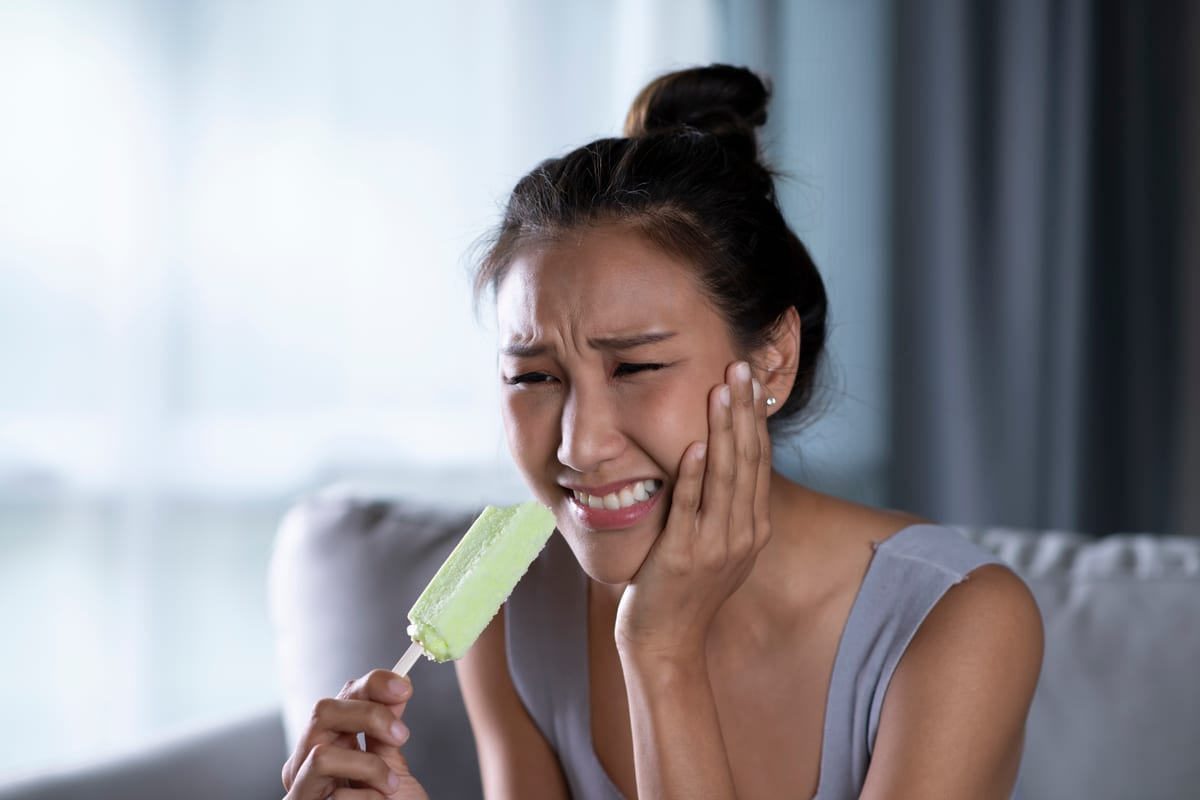
Sensitivity toothpaste is a smart choice for patients who had whitening or extensive restorative work. Ingredients like potassium nitrate help calm nerve sensitivity. Use it consistently for at least two weeks to notice results.
Ask Dr. Dover about prescription-strength fluoride treatments if you have high cavity risk. These are applied at home and provide stronger protection than over-the-counter options. They are especially useful for sedation dentistry patients completing multi-visit treatment plans.
When to Contact Dover Family Dentistry Between Visits
Even with the best home care, unexpected issues can arise. Knowing when to reach out prevents small problems from becoming big ones. You should never wait until your next scheduled appointment if something feels wrong.
Contact our team right away if you experience sudden tooth pain, swelling, or a lost restoration. These situations may require a Dental Emergency Mountain Home appointment. Prompt attention prevents further damage and keeps your overall treatment plan on track.
Also reach out if you notice new sensitivity that did not exist before your last visit. Some sensitivity is normal and temporary. However, sensitivity that worsens or persists beyond two weeks deserves professional evaluation.
Dr. Matthew Dover and the team at Dover Family Dentistry are here to support you between visits. You are never on your own when it comes to maintaining your smile. Our Mountain Home patients always have access to guidance when they need it most.
Protecting your smile at home is one of the most powerful things you can do for your long-term oral health. Small, consistent habits add up to lasting results. Book Now to schedule your appointment with our team.
Frequently Asked Questions
How soon after sedation dentistry can I resume normal brushing?
Most patients can return to gentle brushing the same evening after sedation dentistry. Use light pressure for the first two to three days if your gums feel tender. Contact Dover Family Dentistry if tenderness or discomfort persists beyond one week.
Are there specific toothpastes Dr. Dover recommends after sedation treatments?
Dr. Dover generally recommends a fluoride toothpaste with the ADA Seal of Acceptance for daily use. If you had whitening or extensive restorative work, a sensitivity toothpaste may provide extra comfort. Ask our team during your appointment for a personalized recommendation.
How long do sedation dentistry results typically last with good home care?
With consistent brushing, flossing, and regular professional cleanings, most dental work completed during sedation visits can last many years. Crowns, veneers, and fillings all benefit from diligent at-home care. Avoiding hard foods and keeping up with your cleaning schedule will extend results significantly.
Can I use a water flosser instead of traditional floss after a sedation procedure?
Yes, water flossers are an excellent alternative, especially if your gums feel sensitive after treatment. They clean effectively around restorations, implants, and crowns without the pressure of traditional flossing. Make sure the water pressure is set low for the first few days after your procedure.
What foods should I avoid immediately after a sedation dentistry appointment?
Avoid very hot, cold, hard, or sticky foods for at least 24 hours after your sedation dentistry visit. Your mouth may still feel numb for a few hours, making it easy to accidentally bite your cheek or tongue. Stick to soft, lukewarm foods until full sensation returns and your dentist clears you for a normal diet.