
Can You Eat Normally with Clear Aligners?
Many people hesitate to start orthodontic treatment because they worry about food restrictions. Traditional braces often come with a long list of foods to avoid. Sticky candy, crunchy snacks, and even certain fruits can sometimes damage brackets or wires. As a result, patients often wonder whether orthodontic treatment will affect their daily eating habits.
Modern options like clear aligner have made this concern much easier to manage. Treatments that use removable trays allow patients to continue enjoying many of their favorite foods without the same limitations associated with braces. Around the Dover community, where dining out and enjoying local favorites is part of daily life, flexibility matters when choosing dental treatment.
One question we hear often at Dover Family Dentistry is simple: Can patients continue eating normally during treatment? The answer may surprise many people. Understanding how removable orthodontic trays work makes it easier to maintain your regular meals while improving your smile.
This blog explains how eating works during treatment and how to protect your trays while keeping your teeth healthy.
How Clear Aligners Work
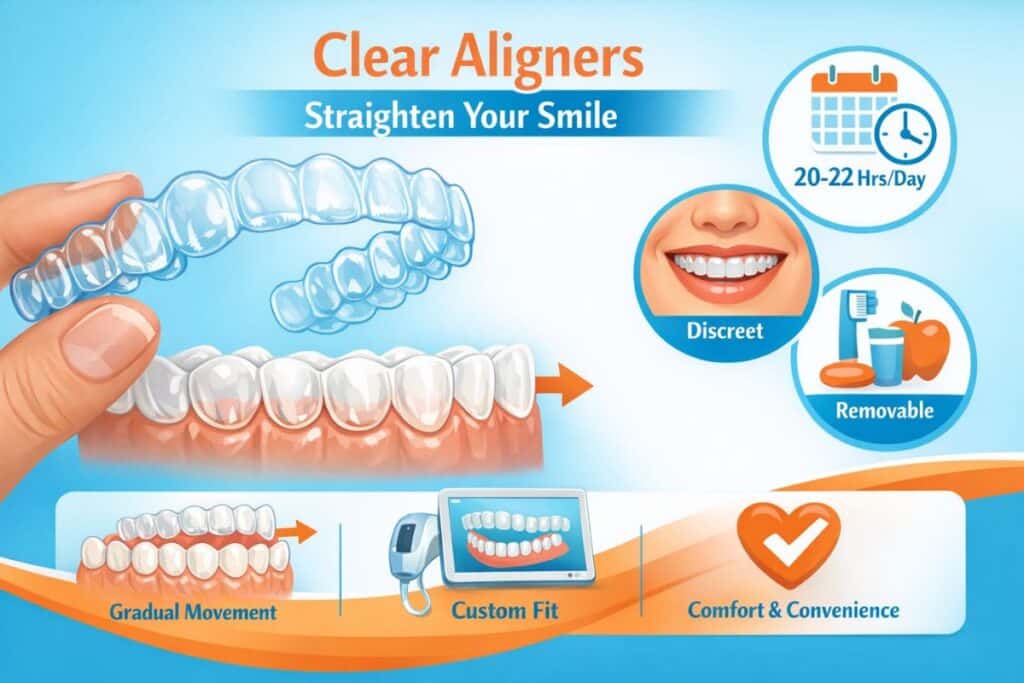
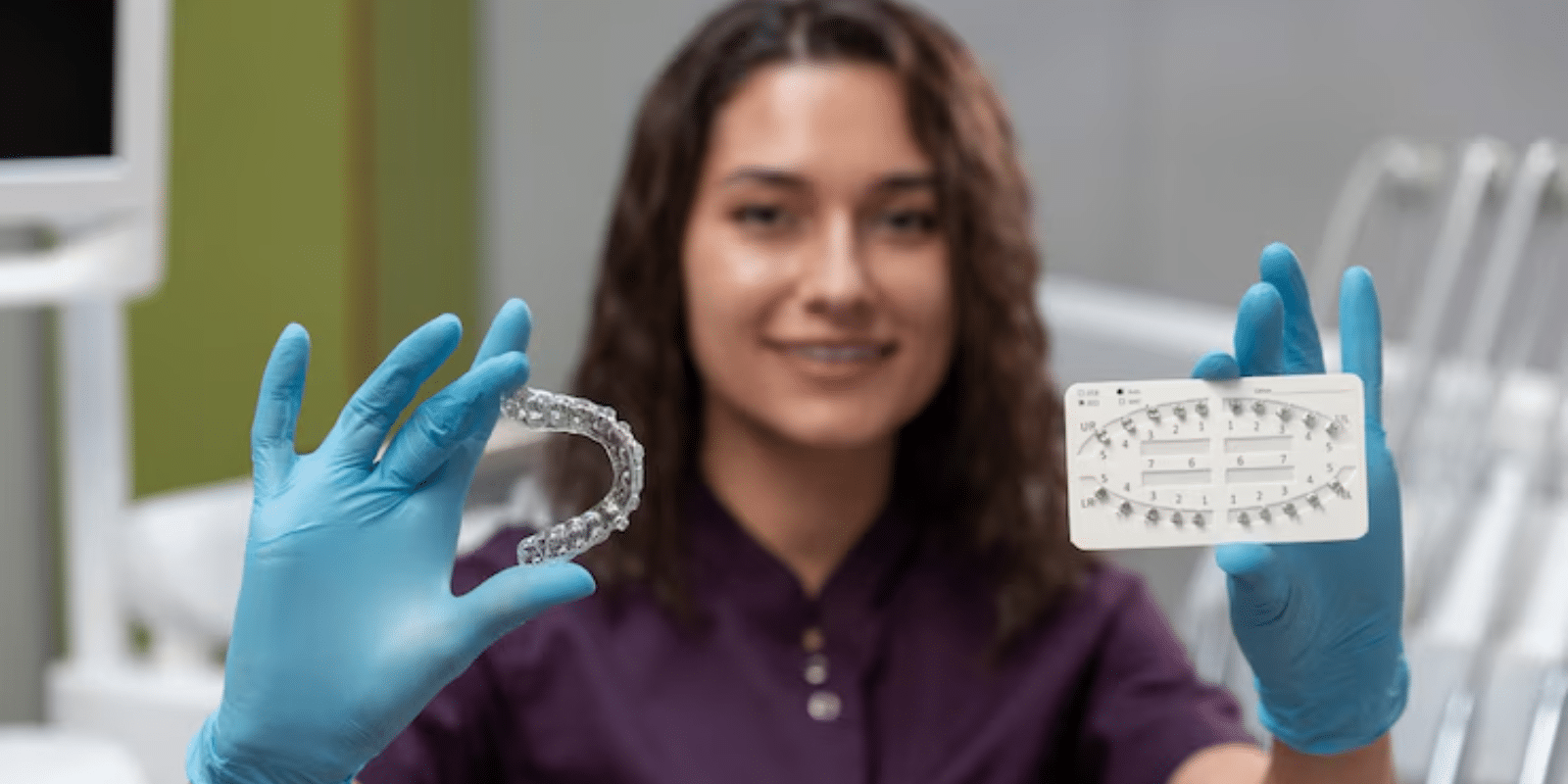
Orthodontic technology has evolved significantly over the past decade. Instead of brackets and wires attached to the teeth, many patients now choose removable orthodontic trays that gradually move teeth into better alignment. These trays are custom-designed using digital scans of your mouth, allowing them to fit comfortably and apply gentle pressure where needed.
Each set of trays is slightly different from the previous one. As you progress through the series, your teeth gradually shift toward their intended positions. This step-by-step process of clear aligner in Mountain Home allows for controlled movement while maintaining comfort throughout treatment. Most patients receive a new set every one to two weeks.
To work effectively, the trays must be worn between 20 and 22 hours each day. The only times they should be removed are when eating, drinking anything other than water, brushing, or flossing. This schedule allows the teeth to stay under consistent pressure so the treatment progresses smoothly.
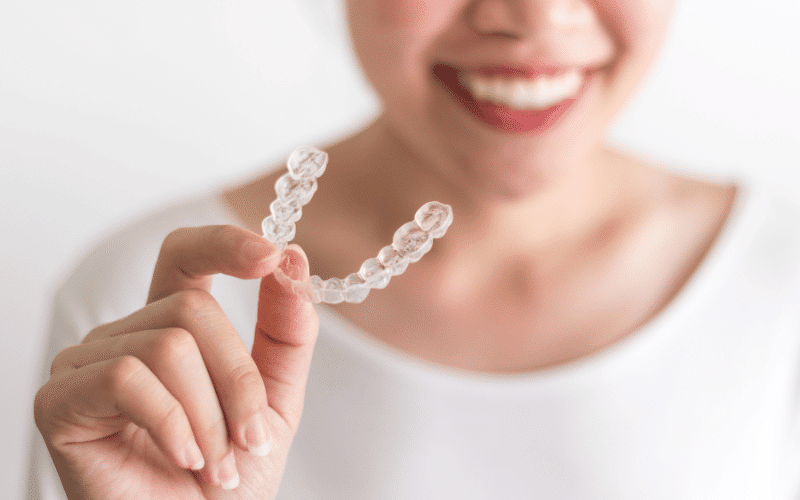
One of the biggest benefits is discretion. The trays are transparent and fit snugly over the teeth, making them difficult to notice during everyday activities. Many adults and teens appreciate this subtle appearance when speaking, working, or attending social events around Dover’s downtown area or community gatherings.
Another advantage is convenience. Because the trays are removable, patients can maintain their normal oral hygiene routine without working around brackets or wires. Dover Family Dentistry often recommends this option for patients who want a flexible approach to orthodontic care while maintaining a natural appearance during treatment.
The Simple Rule: Remove Aligners Before Eating
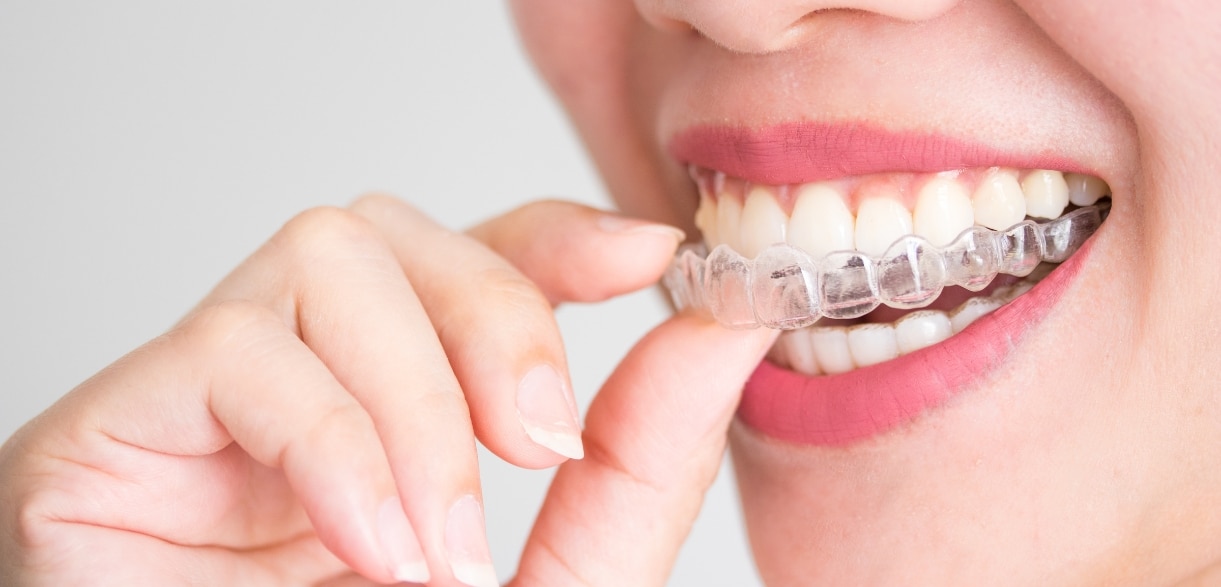
The most important rule during treatment is simple: remove the trays before eating. This step is the reason patients can generally maintain their normal diet while straightening their teeth.
Chewing food while wearing the trays can cause several problems. The pressure created during chewing may crack or warp the material, preventing the trays from fitting properly. Even small distortions can affect how teeth move over time. Once the trays lose their precise shape, they may no longer guide the teeth correctly.
Food particles are another concern. When food becomes trapped between the trays and teeth, bacteria can quickly accumulate. This environment increases the risk of plaque buildup, staining, and cavities. Removing the trays before meals keeps food from getting stuck and allows you to eat comfortably.
Many patients appreciate this flexibility. Instead of worrying about avoiding certain foods, they simply remove the trays before meals and put them back in afterward. Whether you’re enjoying seafood along the Delaware Bay or grabbing lunch near Silver Lake Park, the process stays simple.
This routine protects both your orthodontic trays and your oral health. By removing them before eating and replacing them afterward, you maintain treatment effectiveness while continuing to enjoy everyday meals without unnecessary restrictions.
Foods You Can Enjoy During Clear Aligner Treatment
One of the biggest advantages of removable orthodontic trays is the freedom to eat most foods without major restrictions. Because the trays come out before meals, there is little risk of damaging them with everyday foods. This makes treatment easier to manage for people with busy schedules or active lifestyles.
Patients can continue enjoying foods such as:
- Fruits and vegetables
- Rice, pasta, and grains
- Meat and seafood
- Nuts and seeds
- Bread and baked goods
- Desserts and snacks
Compared with traditional braces, this flexibility is a major benefit. Braces often require avoiding foods like popcorn, caramel, hard candy, or crunchy chips because they can break brackets or wires. With removable trays, those same foods can still be part of your meals as long as the trays are removed beforehand.
This convenience is particularly helpful when dining out around Dover. Whether you’re visiting a local café downtown or attending community events like the Dover Days Festival, you don’t need to worry about a strict list of restricted foods. Simply remove the trays, enjoy your meal, and place them back in once you finish.
However, maintaining good oral hygiene remains important. After eating, it is best to rinse your mouth or brush your teeth before putting the trays back in. This step removes leftover food particles and prevents bacteria from becoming trapped against the teeth.
By following these simple habits, patients can enjoy a wide variety of foods while continuing to move toward a healthier, straighter smile.
Foods and Drinks to Be Careful With
Even though most foods remain available during treatment, a few habits require extra attention. The trays themselves are removed during meals, but what you eat or drink can still affect your teeth and overall oral health.
Sticky foods are one example. Items like caramel or chewy candies can cling to teeth long after a meal is finished. If trays are placed back on immediately afterward, those sugars may remain trapped against the enamel. Over time, this environment can encourage plaque buildup.
Sugary drinks deserve similar caution. Beverages such as soda, sports drinks, and sweetened iced tea contain high amounts of sugar. When consumed frequently, they may increase the risk of cavities. Acidic drinks like citrus beverages or energy drinks can also weaken enamel if consumed often.
Simple habits help protect your teeth during treatment. Rinsing your mouth with water after meals removes food particles and reduces sugar exposure. Brushing before reinserting the trays is even better when possible.
Another helpful tip is waiting a few minutes after sugary snacks before placing the trays back in. This allows saliva to neutralize acids and helps reduce enamel exposure.
Patients at Dover Family Dentistry often find that these small adjustments become part of their daily routine quickly. With consistent care, you can continue enjoying meals while keeping your teeth healthy throughout orthodontic treatment.
Eating Out or Snacking While Wearing Aligners
Daily routines rarely happen in a perfect environment. Many patients eat meals away from home, attend social gatherings, or grab snacks while running errands. Knowing how to manage trays during these situations helps keep treatment on track.
When dining out, removing the trays discreetly is usually simple. Most patients excuse themselves briefly to remove the trays in a restroom and store them in their case. This prevents accidental damage or loss while eating.
Carrying a small aligner case is essential. Wrapping trays in napkins often leads to them being thrown away accidentally. A protective case keeps them clean and safe until you finish eating.
If brushing isn’t possible after a meal, rinsing your mouth with water can help remove food particles before placing the trays back in. Many patients also carry a travel toothbrush to make cleaning easier when they are away from home.
Snacking is another factor to consider. Frequent snacks mean removing and replacing the trays multiple times each day. Since treatment requires wearing the trays around 20 to 22 hours daily, excessive snacking can reduce wear time and slow progress.
Maintaining a regular meal schedule helps prevent this problem. By limiting snacks and focusing on consistent meals, patients can keep treatment moving efficiently while still enjoying everyday activities around Dover.
Protecting Your Aligners While Eating
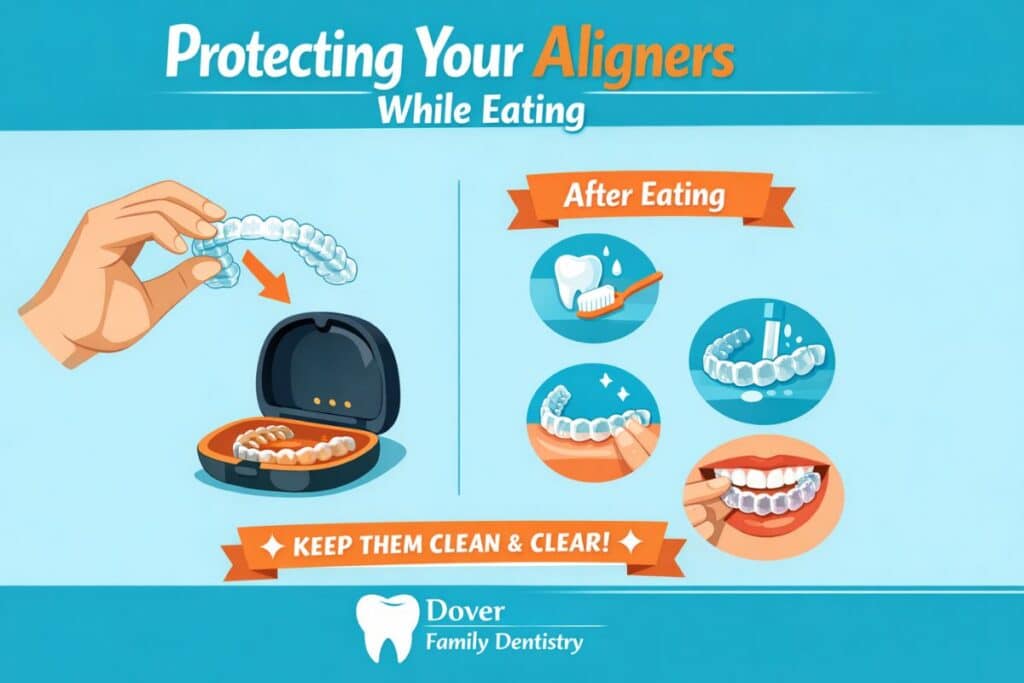
Taking a few simple precautions can keep your clear aligner in Mountain Home in good condition throughout treatment. Establishing a consistent routine around meals helps prevent damage, staining, and bacterial buildup.
Before Eating
- Remove the trays carefully to avoid bending them.
- Store them in a protective case rather than leaving them exposed.
After Eating
- Rinse your mouth or brush your teeth if possible.
- Clean the trays if they appear cloudy or contain residue.
- Place them back on the teeth properly to maintain their fit.
This routine prevents several common issues. Food particles trapped inside trays may lead to unpleasant odors or plaque buildup. Proper cleaning also keeps the trays clear and discreet throughout treatment.
Patients who follow this routine consistently tend to experience fewer complications. Their trays remain transparent, comfortable, and effective throughout each stage of treatment.
At Dover Family Dentistry, patients receive guidance on cleaning and maintaining their orthodontic trays to ensure the best results. These small daily habits play an important role in maintaining both oral health and treatment progress.
Signs You Are Wearing Aligners Correctly
Successful orthodontic treatment depends on wearing the trays consistently and properly. Fortunately, there are a few simple signs that indicate everything is progressing as expected.
First, the trays should fit snugly against the teeth. A secure fit ensures the gentle pressure needed to guide teeth into their new positions. If the trays feel loose or uneven, it may indicate they are not seated properly.
Second, mild pressure is normal when switching to a new set of trays. This sensation usually lasts a day or two and signals that the teeth are responding to the new stage of treatment.
Another sign is the condition of the trays themselves. They should remain clear and free from cracks or damage. Warped trays may affect how teeth move and should be evaluated if they occur.
Finally, consistent wear is essential. Wearing the trays for about 20 to 22 hours each day keeps treatment moving forward. Patients who remove them too frequently may notice slower progress.
Following these guidelines helps ensure predictable results. Many patients using a clear aligner system appreciate how simple it is to monitor their progress and stay on track throughout treatment.
Orthodontic treatment no longer has to interfere with the foods you enjoy every day. Because removable trays are taken out before meals, patients can continue eating a wide variety of foods while gradually improving their smiles.
Maintaining simple habits such as removing trays before eating and cleaning your teeth afterward helps protect both your oral health and your orthodontic appliances. With consistent wear and proper care, treatment can remain comfortable and effective.
For residents in Dover and nearby communities, Dover Family Dentistry offers guidance and personalized care to help patients navigate treatment confidently. If you are considering a clear aligner solution for straighter teeth, scheduling a consultation can help you explore your options and begin your journey toward a healthier, more confident smile.
People Also Ask
1. Do aligners affect the way food tastes?
No. Because the trays are removed before eating, they do not interfere with your sense of taste. You can enjoy meals normally without any change in flavor or texture.
2. How long should aligners stay out during meals?
Aligners should remain out only while you are eating and cleaning your teeth. Most patients keep them out for about 20–30 minutes per meal to maintain the recommended daily wear time.
3. Are there foods you should avoid during treatment?
Because aligners are removable, most foods can still be enjoyed. However, maintaining good oral hygiene after eating is important to prevent sugar and bacteria from being trapped under the trays.
4. Can you chew gum during aligner treatment?
Chewing gum while wearing trays is not recommended. Gum can stick to the aligners and may damage their shape. It is best to remove the trays before chewing gum.
5. Do aligners smell if they are not cleaned properly?
Yes, aligners may develop odor if bacteria and food particles accumulate on them. Regular rinsing and proper cleaning help keep them fresh and clear throughout treatment.