Invisalign vs. Braces: Which Actually Works Better for Adults
Choosing between Invisalign and braces is one of the most common questions adults ask at Dover Family Dentistry. When weighing Invisalign vs. braces for adults in Mountain Home, the answer depends on your lifestyle, dental needs, and personal goals. Both options can straighten teeth effectively. But they work very differently, and the right choice varies from person to person.
Dr. Matthew Dover helps adult patients navigate this decision every day. This guide breaks down the key differences so you can make a confident, informed choice.
Invisalign vs. Braces: Comfort and Daily Life in Mountain Home
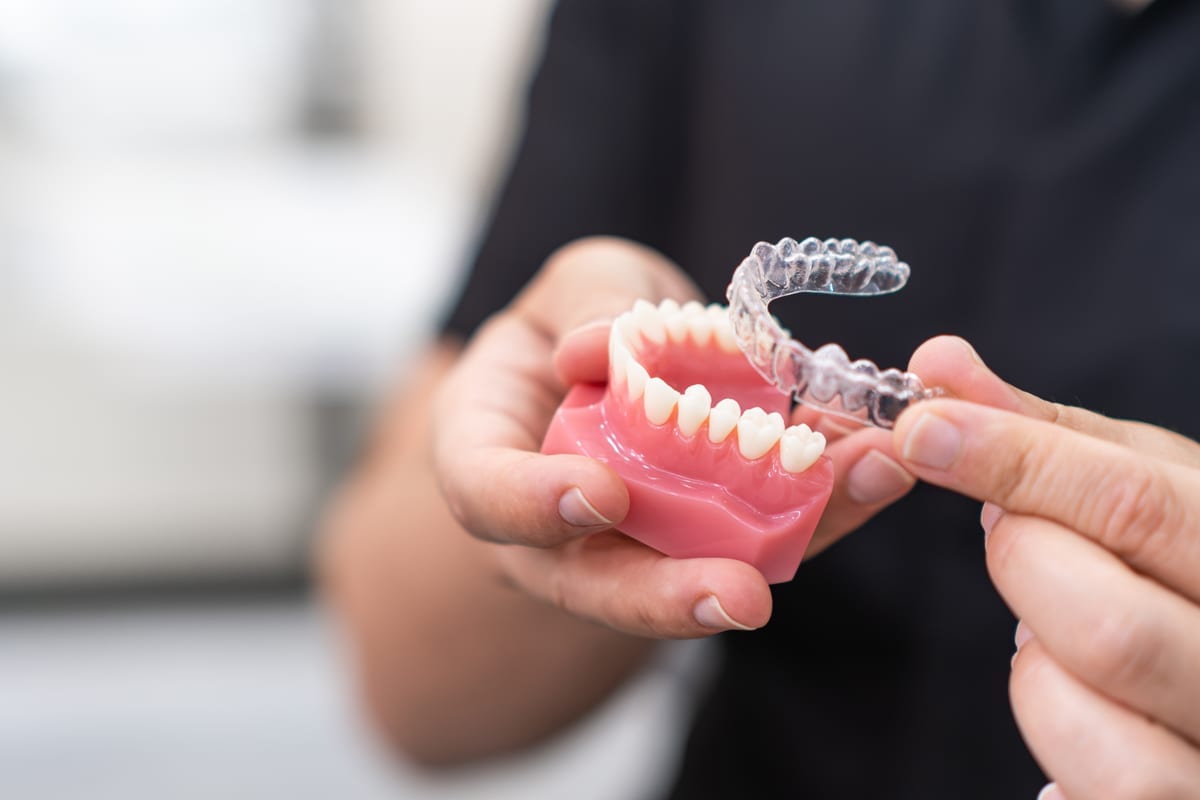
Comfort matters — especially for adults managing busy schedules. Invisalign aligners are made from smooth, BPA-free plastic. They have no brackets or wires that irritate your cheeks or gums.
Traditional braces use metal brackets bonded to your teeth. Wires are tightened regularly, which can cause soreness for a few days after each adjustment. Many adults find this discomfort manageable, but it is worth considering.
Invisalign aligners are also removable. You can take them out for meals, special occasions, and oral hygiene. Braces are fixed in place for the entire treatment period.
- Invisalign: Smooth plastic with no sharp edges
- Invisalign: Removable for eating and cleaning
- Braces: Fixed appliances that may cause initial irritation
- Braces: Require avoiding certain hard or sticky foods
- Both: May cause temporary soreness after adjustments
For Mountain Home adults who are always on the go, Invisalign often fits more naturally into daily life. However, braces require zero effort to keep in — which some patients actually prefer.
Appearance: How Visible Is Each Option for Adults?
Many adults seek orthodontic treatment specifically because they want a discreet option. This is one of Invisalign’s biggest advantages. The clear aligners are nearly invisible when worn.
Traditional metal braces are much more visible. Clear ceramic braces exist as a middle-ground option, but they are still more noticeable than Invisalign. For adults in professional settings or client-facing roles, this difference matters.
It is worth noting that Invisalign aligners must be worn 20 to 22 hours per day. Wearing them less than that will slow down or compromise your results. Compliance is entirely your responsibility with Invisalign.
Braces, by contrast, work continuously without any effort on your part. There is no risk of forgetting to put them back in after lunch. For adults who worry about self-discipline with aligners, braces eliminate that concern entirely.
Treatment Scope: What Each Option Can Actually Fix
Both Invisalign and braces can treat a wide range of alignment issues. However, their strengths differ depending on the complexity of your case.
Invisalign works very well for mild to moderate crowding, spacing issues, and certain bite problems. Technology has improved significantly over the years. Today’s Invisalign can address more complex cases than earlier versions could handle.
Traditional braces still have an edge for severe overcrowding, significant bite corrections, and complex tooth rotations. They give your orthodontist more precise control over tooth movement. Dr. Dover will assess your specific bite and alignment during a consultation.
- Invisalign is ideal for: Mild to moderate crowding, gaps between teeth, minor bite issues
- Braces are preferred for: Severe crowding, complex bite corrections, significant rotations
- Both can treat: Overbites, underbites, crossbites, open bites (severity-dependent)
No single treatment is universally superior. Your individual anatomy determines which option will deliver the best outcome for you.
Cost and Treatment Timeline: What Adults Should Expect
Cost is often a deciding factor for adult patients. Invisalign and braces are generally comparable in price. However, Invisalign tends to run slightly higher in some cases due to the technology involved.
Treatment length also varies. Most adult cases with either option take 12 to 24 months. Simpler cases with Invisalign can sometimes be completed faster. Complex cases requiring braces may take longer.
Keep in mind that lost or damaged Invisalign aligners may incur replacement fees. Factor that into your overall budget planning. Dr. Dover’s team at Dover Family Dentistry will provide a full cost breakdown during your consultation.
Both options require retainers after treatment. Wearing your retainer consistently prevents teeth from shifting back. This is true regardless of which straightening method you chose.
Other Dental Needs to Consider Before Starting Treatment
Before committing to orthodontic treatment, it is important to address any existing dental concerns. Cavities, gum disease, or missing teeth should be treated first. Starting alignment treatment on a compromised foundation leads to poor outcomes.
If you have missing teeth, you may want to explore your options. Dental Implants Mountain Home can replace missing teeth before or after orthodontic work, depending on your treatment plan. Dr. Dover coordinates care to ensure the best long-term result.
Similarly, if you experience sudden pain or a dental injury during treatment, do not wait. A Dental Emergency Mountain Home appointment can address urgent issues without derailing your orthodontic progress. Dover Family Dentistry is here for you when unexpected situations arise.
Preventive dental health is the foundation of any successful orthodontic journey. Regular cleanings and check-ups keep your teeth and gums healthy throughout your treatment.
How to Choose the Right Option for You
There is no universal right answer in the Invisalign vs. braces debate for adults in Mountain Home. The best choice depends on your specific alignment issues, lifestyle habits, and personal preferences.
Ask yourself these questions before your consultation:
- How important is discretion to me during treatment?
- Can I commit to wearing aligners 20 to 22 hours daily?
- Do I have complex bite or crowding issues?
- What is my realistic budget and timeline?
- Am I comfortable with dietary restrictions during treatment?
Bringing honest answers to these questions helps Dr. Dover recommend the most appropriate path forward. There is no judgment — only personalized guidance.
Conclusion: Making the Right Choice at Dover Family Dentistry
Both Invisalign and traditional braces are proven, effective orthodontic solutions for adults. Your decision should be based on clinical needs, lifestyle fit, and long-term goals — not just what looks appealing online. Dr. Matthew Dover and the team at Dover Family Dentistry in Mountain Home are here to help you weigh every factor carefully. Book Now to schedule your appointment with our team.
Frequently Asked Questions
Is Invisalign as effective as braces for adults?
Invisalign is highly effective for mild to moderate alignment issues in adults. For more complex bite problems or severe crowding, traditional braces may provide more precise results. Dr. Dover will evaluate your case and recommend the best option during your consultation at Dover Family Dentistry.
How long does Invisalign treatment take for adults?
Most adult Invisalign cases take between 12 and 18 months. Simpler cases may finish sooner, while more involved cases can take up to 24 months. Your treatment timeline depends on the complexity of your alignment issues and how consistently you wear your aligners.
Can adults get braces in Mountain Home, AR?
Absolutely. Braces are a completely viable option for adults of any age. There is no age limit for orthodontic treatment. Dr. Matthew Dover at Dover Family Dentistry works with adult patients regularly and will create a treatment plan suited to your needs and goals.
Do I need to do anything before starting Invisalign or braces?
Yes. It is important to resolve any existing dental issues — such as cavities or gum disease — before starting orthodontic treatment. Dr. Dover will conduct a full dental health assessment to ensure your mouth is ready for treatment. Preventive care first leads to the best outcomes.
What happens after my orthodontic treatment is complete?
After completing Invisalign or braces treatment, you will need to wear a retainer. Retainers prevent your teeth from shifting back to their original positions. Dr. Dover will provide specific retainer instructions based on your treatment and individual needs to protect your results long-term.