Invisalign Retainers in Mountain Home, AR
You finished your last Invisalign tray. Your teeth look amazing. You’re tempted to think the hard work is over. But here in Mountain Home, Dr. Matthew Dover wants every patient to understand one important truth: your Invisalign isn’t done, and retainers are non-negotiable. Skipping this final step is one of the most common — and most costly — mistakes patients make after orthodontic treatment.
Why Your Teeth Want to Move Back
Teeth are not static structures. They sit in a living foundation of bone and soft tissue. Once your aligners shift them into position, the surrounding tissue needs time to adapt and stabilize.
This process is called bone remodeling. The bone around your teeth must rebuild in the new position. Until that process completes, your teeth will naturally want to drift back to where they came from.
Orthodontists call this tendency relapse. It is not a sign that something went wrong. It is simply how human biology works. Retainers exist specifically to counteract this biological pull.
Without a retainer, even a few weeks of neglect can undo months of careful alignment. That is not a scare tactic — it is physiology. Patients across Mountain Home, AR have experienced this firsthand after stopping too soon.
What Happens Without a Retainer: The Real Risks
Many patients underestimate how quickly relapse can begin. Teeth can start shifting within days of stopping retainer use. The movement may be subtle at first, but it compounds over time.
Here is what you risk when you skip your retainer:
- Front teeth crowding or spacing returning
- Bite alignment shifting out of balance
- Gaps reopening between teeth
- Midline shifting off-center
- Increased wear on certain teeth due to uneven contact
In some cases, patients need to restart orthodontic treatment entirely. That means more time, more expense, and more frustration. Retainers are a small commitment compared to that outcome.
Bite problems can also create broader issues. Uneven bite pressure sometimes leads to jaw discomfort or cracked teeth. In rare situations, a misaligned bite contributes to a Dental Emergency down the road. Prevention is always the smarter path.
How Long Do You Actually Need to Wear a Retainer in Mountain Home?
This is one of the most common questions Dr. Dover hears after Invisalign treatment. The honest answer is: probably longer than you expect. Retention is a lifelong commitment for most patients.
Here is a general timeline that most Invisalign patients follow:
- Months 1–6: Wear your retainer full-time, except when eating or brushing.
- Months 6–12: Transition to nighttime-only wear as directed by your dentist.
- Year 2 and beyond: Continue wearing your retainer every night indefinitely.
Every patient is different. Dr. Dover will evaluate your specific case and give you a personalized plan. Factors like your starting alignment, your age, and how long treatment took all influence how much retention you need.
The key point is this: there is no finish line with retainers. Patients who wear them nightly for years consistently maintain their results. Those who stop often do not.
Types of Retainers: Which One Is Right for You?
Not all retainers are the same. Dr. Dover helps Mountain Home patients choose the right option based on their lifestyle and clinical needs. There are two main categories to consider.
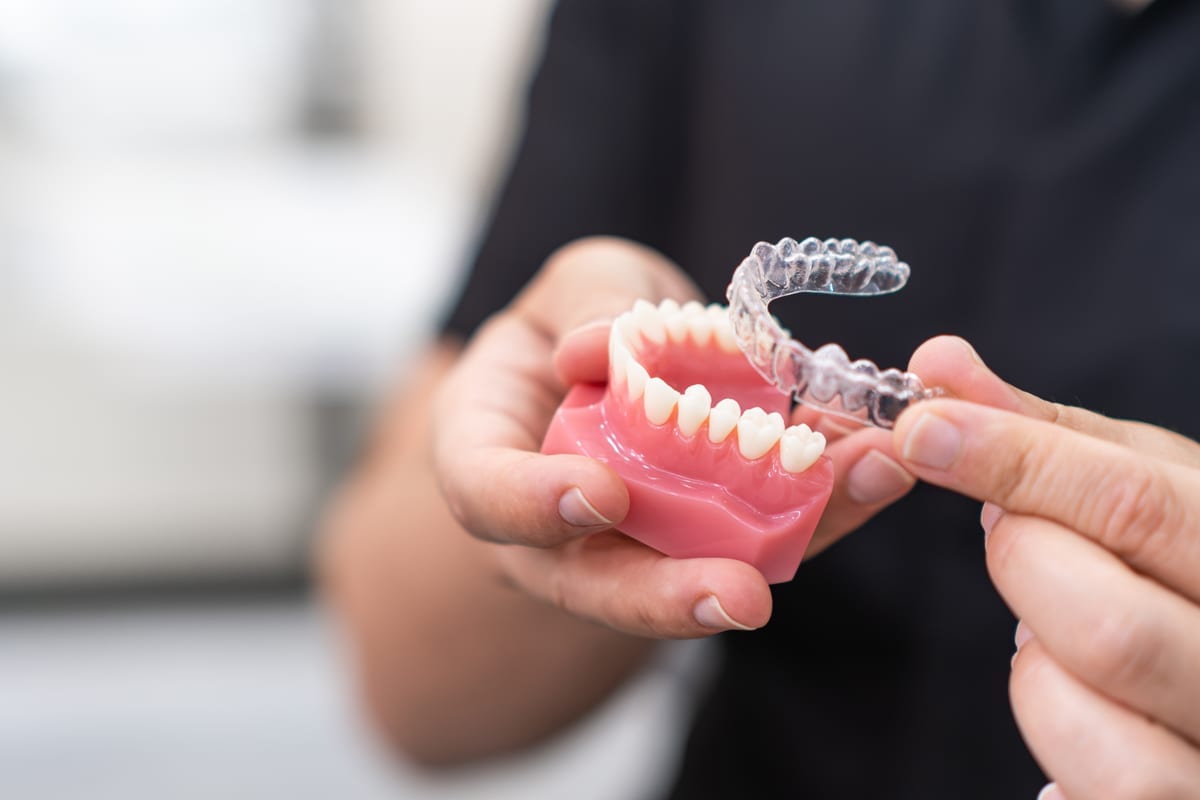
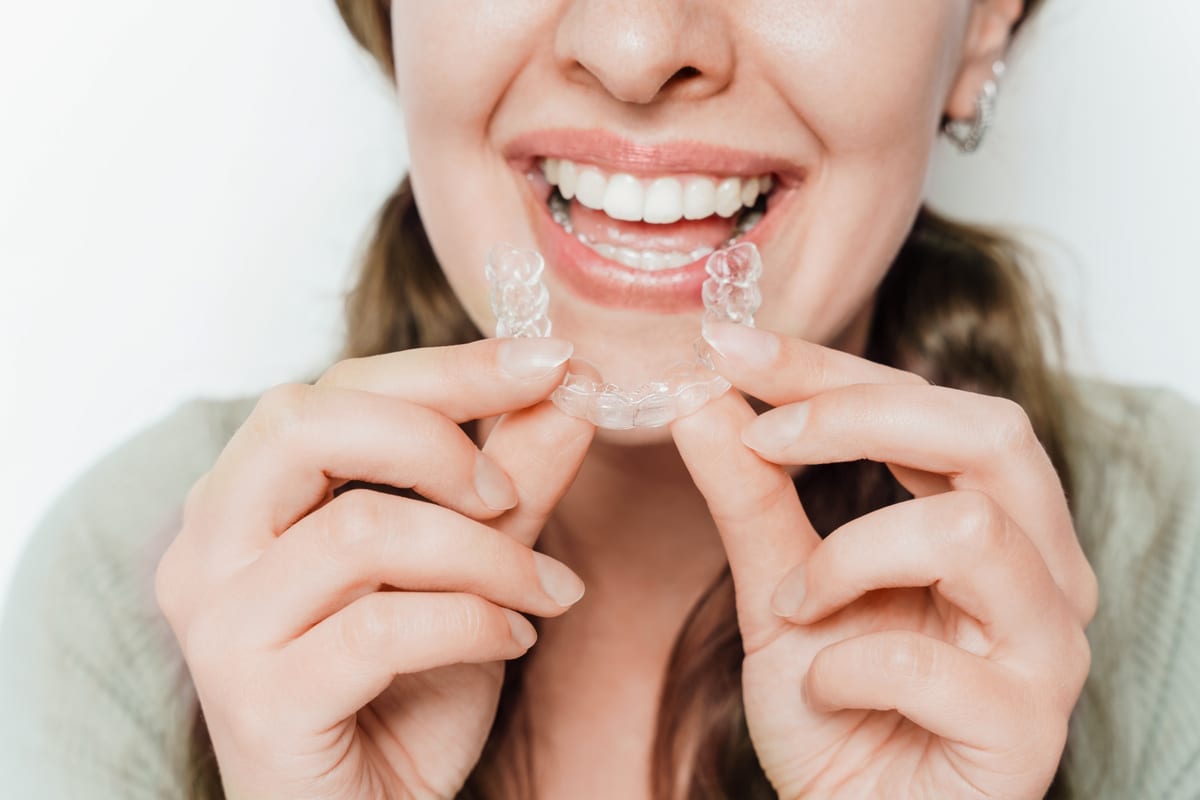
Removable retainers are the most common choice after Invisalign. They look similar to your clear aligners. You take them out to eat and clean them easily. They are comfortable and discreet.
Fixed retainers are thin wires bonded to the back of your teeth. You cannot remove them yourself. They provide constant, passive retention without any daily effort on your part.
Each option has trade-offs. Removable retainers require personal discipline. Fixed retainers require more attention during brushing and flossing. Some patients use both together for maximum stability.
Benefits of committing to a proper retainer routine include:
- Protecting your investment in Invisalign treatment
- Maintaining a confident, straight smile long-term
- Preventing the need for repeat orthodontic work
- Supporting overall bite health and jaw alignment
- Reducing wear and tear on individual teeth
Caring for Your Retainer the Right Way
A retainer only works if you maintain it properly. A dirty or damaged retainer is less effective and can even irritate your gums. Good habits extend the life of your appliance significantly.
Follow these simple care tips for removable retainers:
- Rinse with cool water every time you remove it
- Brush gently with a soft toothbrush and mild soap — not toothpaste
- Store it in its case when not in use
- Keep it away from heat, which can warp the plastic
- Bring it to your dental checkup so Dr. Dover can inspect it
Retainers do wear out over time. Most need replacement every one to three years depending on use. If yours feels loose, warped, or no longer fits snugly, contact Dover Family Dentistry right away.
Tooth loss from other causes can also affect how well a retainer fits. If you are missing teeth or considering Dental Implants, let Dr. Dover know. He will coordinate your retention plan with any restorative work you need.
Staying Consistent: Tips From Dr. Dover’s Team
The biggest obstacle to retainer success is not the device itself — it is consistency. Life gets busy. Nights get late. Retainers get forgotten on bathroom counters. Here are strategies that help Mountain Home patients stay on track.
First, keep your retainer case on your nightstand. Making it part of your bedtime routine removes the need to remember separately. Pair it with brushing your teeth so the habits connect naturally.
Second, set a phone reminder for the first few weeks. This simple step builds the habit before it becomes automatic. Most patients find they no longer need the reminder after a month or two.
Third, communicate openly with Dr. Dover if something feels off. If your retainer starts feeling tight again, that is a warning sign. Early intervention is far easier than retreatment.
Protecting Your Smile for the Long Run in Mountain Home
You worked hard to achieve your straight smile with Invisalign. That effort deserves to last a lifetime. Retainers are not an afterthought — they are the final and ongoing phase of your orthodontic journey.
Dr. Matthew Dover and the team at Dover Family Dentistry are proud to support Mountain Home patients through every stage of their smile transformation. From your first aligner tray to your last retainer check, we are here to make sure your results stick.
Do not let months of progress slip away from a habit that takes less than a minute each night. Your future smile is worth that small daily commitment. Book Now to schedule your appointment with our team.
Frequently Asked Questions
How soon after finishing Invisalign do I need to start wearing a retainer?
You should begin wearing your retainer immediately after completing your final Invisalign tray. Dr. Dover will provide your retainer at your completion appointment. Even a short gap of a few days can allow early shifting to begin.
Will I have to wear a retainer every single night forever?
For most patients, nightly retainer wear becomes a permanent habit. During the first year, you may wear it full-time initially, then transition to nights only. After that, consistent nightly use helps maintain your results indefinitely.
What happens if my retainer no longer fits snugly?
A retainer that feels tight or loose may mean your teeth have shifted slightly. Contact Dover Family Dentistry as soon as possible. Dr. Dover can assess whether your current retainer still works or whether a new one is needed.
Can I wear my old Invisalign trays as a retainer?
Old Invisalign trays are not designed for long-term retention. They are made from thinner material and wear out quickly. A purpose-made retainer is more durable and provides better protection for your alignment results.
How do I know if I need a fixed retainer instead of a removable one?
Dr. Dover will recommend the best option based on your specific case. Patients with a history of significant crowding or those who tend to forget removable appliances may benefit most from a fixed retainer. Some patients use both types together for the strongest results.