What Actually Happens Inside Your Mouth With Invisalign Aligners
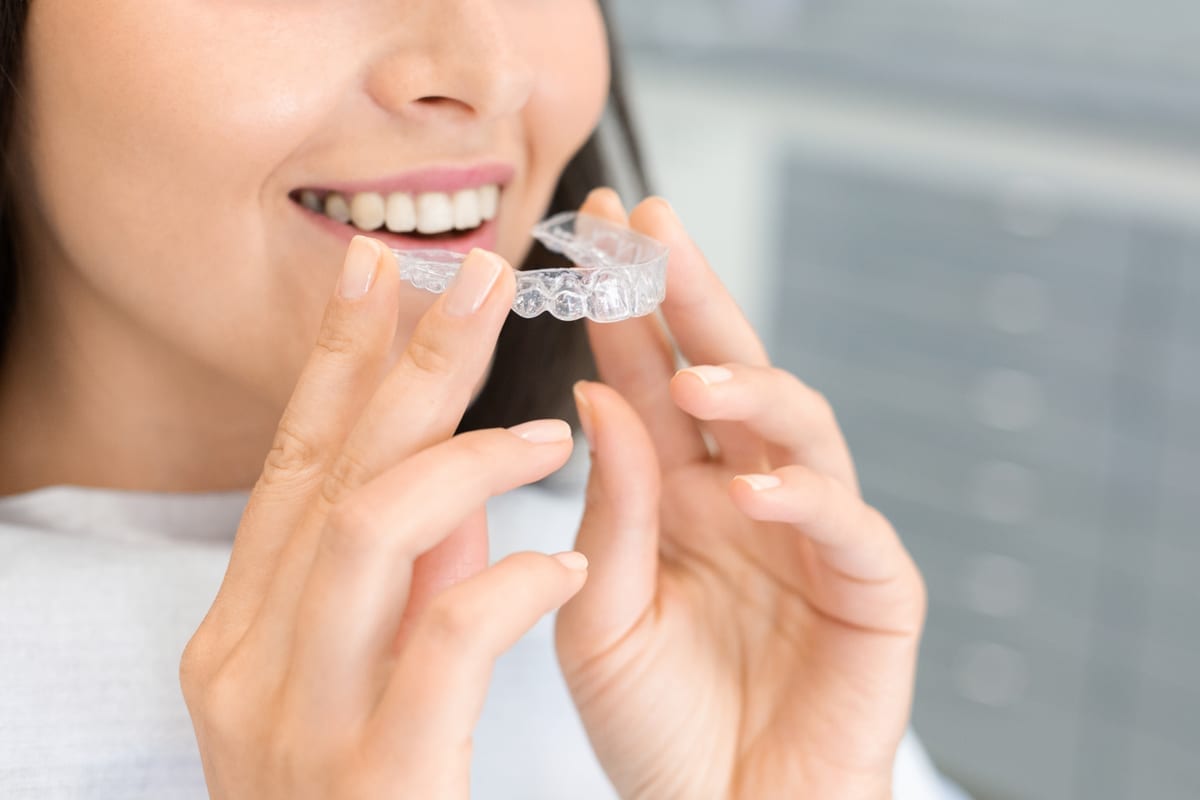
Most people know Invisalign uses clear plastic trays to straighten teeth. But very few understand what actually happens inside your mouth with Invisalign aligners in Mountain Home during the process. The science behind those subtle shifts is fascinating — and understanding it helps you stay motivated throughout your treatment. At Dover Family Dentistry, Dr. Matthew Dover believes informed patients get better results.
This article breaks down exactly how Invisalign works at every stage. We cover tooth movement, aligner changes, attachments, and refinements. Think of it as your inside guide to one of today’s most popular orthodontic treatments.
How Invisalign Aligners Actually Move Your Teeth
Teeth are not fixed rigidly in your jawbone. Each tooth sits inside a socket cushioned by a periodontal ligament. This ligament is flexible and responds to sustained pressure. Invisalign takes advantage of that biology.
Each aligner applies gentle, targeted pressure to specific teeth. That pressure triggers a process called bone remodeling. On the pressure side of the tooth, bone cells called osteoclasts dissolve a small amount of bone. On the tension side, cells called osteoblasts rebuild new bone. The tooth slowly migrates through this cycle.
This is not instant. It takes days for meaningful movement to occur. That is exactly why each aligner is worn for a set number of days before switching. Rushing the process disrupts remodeling and can cause discomfort or setbacks.
- Each aligner moves teeth by roughly 0.25 mm per stage
- Pressure is pre-calculated using 3D digital scans of your teeth
- Bone remodeling happens gradually over the wear period
- Consistent wear time ensures predictable results
Understanding the Aligner Change Schedule in Mountain Home
Your aligner change schedule is one of the most important parts of what actually happens inside your mouth with Invisalign aligners in Mountain Home. Dr. Dover will give you a specific timeline based on your treatment plan. Most patients change aligners every one to two weeks.
Each new tray is slightly different from the last. The difference is intentional — each tray represents the next incremental step in your tooth movement plan. When you first put on a new aligner, it may feel tight. That tightness signals that the aligner is doing its job.
After a few days, the tightness fades. That means your teeth have moved to match the tray. At that point, you are ready to progress to the next aligner in your series. Wearing an aligner longer than prescribed does not help — teeth need the next incremental challenge to keep moving.
- New aligners feel snug — that is normal and expected
- Tightness fading signals successful tooth movement
- Skipping trays can disrupt your overall treatment plan
- Always follow the schedule Dr. Dover provides
What Are Invisalign Attachments and Why Do You Need Them?
Not all tooth movements are simple. Some teeth need to rotate, tip, or move vertically. Standard aligner pressure alone cannot always accomplish these complex shifts. That is where attachments come in.
Attachments are small, tooth-colored bumps bonded directly to your teeth. They are made from composite resin — the same material used in white fillings. These tiny anchors give the aligner something to grip. They allow the plastic to apply force in very precise directions.
Not every patient needs attachments. When they are needed, Dr. Dover places them at a quick appointment before your trays are delivered. You may not even notice them after a few days. They are removed when your treatment is complete, leaving your tooth surface clean.
Some patients also require rubber bands with their Invisalign trays. These work similarly to bands used with traditional braces. They help correct bite alignment between the upper and lower jaws.
Refinements — What Happens When Teeth Need Extra Adjustment
Most Invisalign treatments include a planned series of aligners. But teeth do not always move exactly as predicted. Biology varies from person to person. This is where refinements become part of the process.
Refinements are additional aligner sets created mid-treatment or at the end. When your original series is finished, Dr. Dover evaluates your results. If certain teeth need further movement, he takes new digital scans. A fresh set of custom aligners is then designed to complete the work.
Refinements are a normal, expected part of Invisalign — not a failure. They are built into most comprehensive treatment plans. Think of them as a course correction that ensures your final result matches the original goal.
Once your treatment is fully complete, you will receive retainers. Retainers hold your teeth in their new positions while the bone fully stabilizes around them. Skipping retainers can allow teeth to drift back over time.
Other Dental Concerns During Invisalign Treatment
Your oral health does not pause while you straighten your teeth. In fact, keeping up with preventive dentistry is even more important during Invisalign treatment. Aligners can trap plaque against teeth if you skip brushing after meals.
Regular cleanings at Dover Family Dentistry help protect your teeth and gums throughout the process. If you experience unexpected tooth pain during treatment, do not ignore it. Some discomfort is normal when switching trays, but sharp or persistent pain deserves attention.
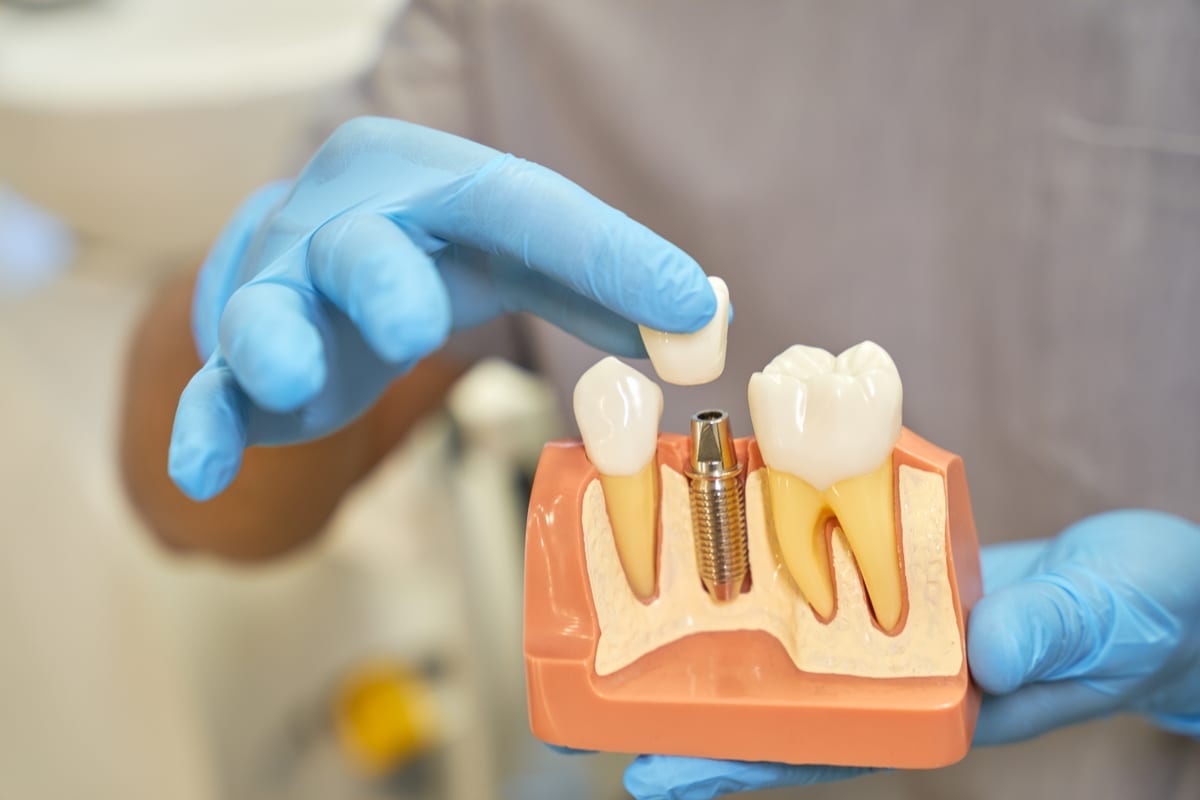
If a dental issue arises urgently, Dental Emergency Mountain Home services are available at our practice to address problems quickly. We also offer other restorative options for patients with more complex needs. For patients who have missing teeth alongside alignment concerns, Dental Implants Mountain Home may be part of a broader treatment conversation with Dr. Dover.
Conclusion: Straightening Teeth Is a Process Worth Understanding
Knowing what actually happens inside your mouth with Invisalign aligners in Mountain Home changes how you experience treatment. You are not just wearing clear trays — you are actively guiding your teeth through a biological process. Every day you wear your aligners as directed moves you closer to your goal.
Dr. Matthew Dover and the team at Dover Family Dentistry are here to guide Mountain Home patients through every stage of Invisalign. We explain what to expect, answer your questions, and monitor your progress at every checkpoint. You deserve to understand your own treatment. Book Now to schedule your appointment with our team.
Frequently Asked Questions
How many hours a day should I wear my Invisalign aligners?
Most providers recommend wearing Invisalign aligners for 20 to 22 hours per day. Removing them only for eating, drinking anything other than water, and brushing gives your teeth consistent pressure. Less wear time slows tooth movement and can extend your overall treatment timeline.
Will my teeth hurt when I switch to a new aligner?
Mild soreness or pressure when switching to a new tray is completely normal. It usually fades within one to three days as your teeth adjust. Over-the-counter pain relief can help during the first day or two. If pain is sharp or persistent, contact Dr. Dover’s office.
Can I speed up my Invisalign treatment by changing trays early?
Changing aligners before the scheduled time is not recommended. Bone remodeling takes a specific amount of time to complete. Switching too early means teeth have not fully moved to match the current tray. This can lead to poor fit, discomfort, and delays rather than faster results.
What happens if I lose or break an aligner?
Contact Dover Family Dentistry right away if you lose or damage a tray. Dr. Dover may advise you to move to the next tray in your series or return to the previous one. Do not leave a gap in your treatment without guidance. Most situations are easy to resolve with a quick call to our Mountain Home office.
Do refinements cost extra with Invisalign?
Refinement policies vary depending on the specific Invisalign package used in your treatment plan. Many comprehensive plans include refinements as part of the overall cost. Dr. Dover will explain what is included in your specific plan during your initial consultation at Dover Family Dentistry.