Crown Fell Out? Emergency Dental Care in Mountain Home, AR
Your crown just fell out — and your heart sank with it. Whether it happened at dinner or while brushing your teeth, the next hour matters. Knowing what to do right now in Mountain Home can protect your tooth and prevent a bigger problem. This guide walks you through every step, from the moment it happens to when you call our office.
A Dental Emergency like a lost crown is more common than most people realize. The good news is that you have options — and staying calm is the first one.
Why a Lost Crown Is a Dental Emergency in Mountain Home
A dental crown protects a tooth that has been weakened, cracked, or root canaled. Without it, that vulnerable tooth is exposed to bacteria, pressure, and temperature changes. The longer it goes unprotected, the greater the risk of pain, infection, or further damage. That is why a lost crown deserves same-day attention whenever possible.
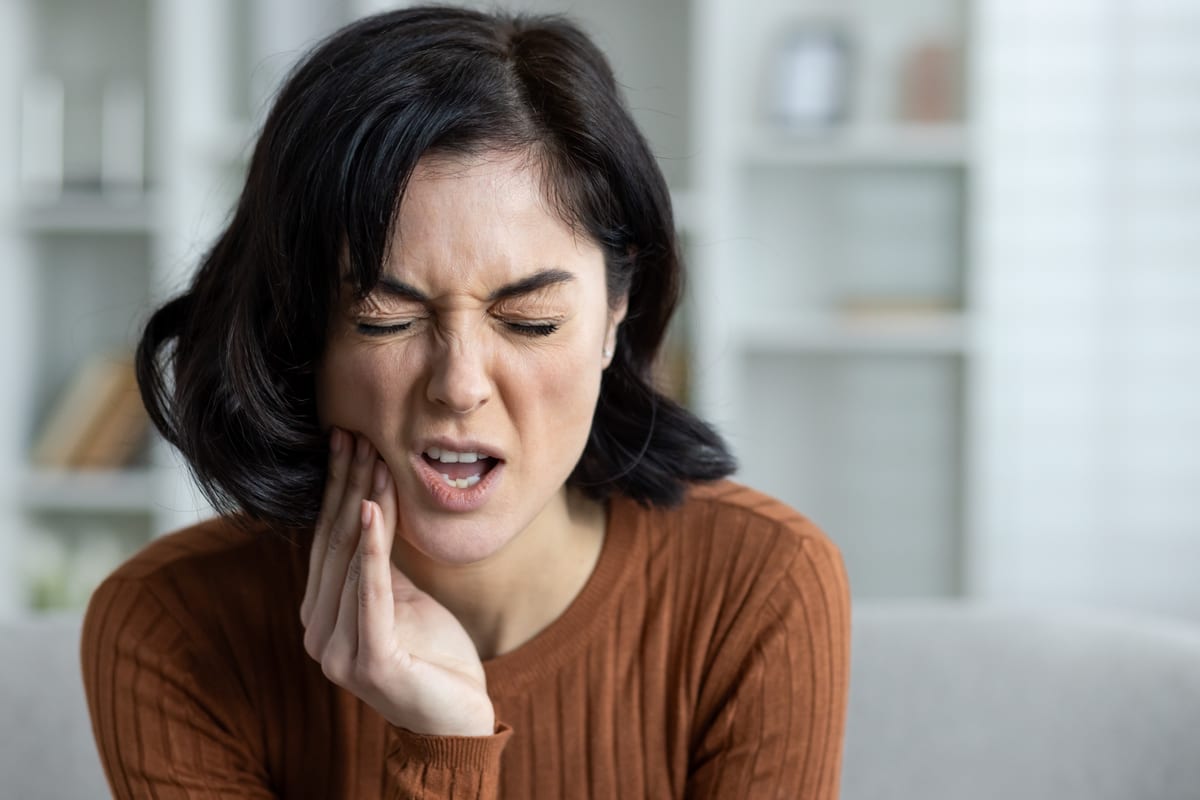
The exposed tooth underneath a crown is often sensitive and porous. Air, food, and liquid can all reach the nerve directly. Many patients describe sharp sensitivity or throbbing discomfort within hours of losing their crown. Acting quickly reduces your risk of needing more complex treatment later.
If your crown came off cleanly and the tooth underneath looks intact, that is a good sign. But do not assume everything is fine without a professional evaluation. Even a tooth that feels okay may be developing problems you cannot see.
What to Do in the Next Hour After Your Crown Falls Out
The first thing to do is find the crown and rinse it gently with warm water. Do not scrub it or use harsh cleaners. Set it aside somewhere safe — ideally in a small zip bag or clean container. Bringing it to your appointment gives Dr. Matthew Dover the option to re-cement it if it is undamaged.
Next, contact Dover Family Dentistry in Mountain Home as soon as possible. Our team prioritizes patients with lost restorations because we understand how urgent it feels. The sooner you call, the sooner we can protect your tooth and relieve your discomfort.
While you wait for your appointment, here are steps that can help:
- Rinse your mouth gently with warm salt water to reduce bacteria
- Apply dental cement or sugar-free dental wax (available at most pharmacies) to cover the exposed tooth
- Avoid chewing on that side of your mouth entirely
- Keep the crown in a safe place to bring to your appointment
- Take an over-the-counter pain reliever as directed if you experience discomfort
Temporary dental cement from a pharmacy can protect the tooth until your appointment. It is not a permanent fix, but it reduces sensitivity and keeps debris out. Follow the package instructions carefully and avoid eating on that side.
What Makes a Lost Crown Worse — Avoid These Mistakes
Some well-meaning attempts to handle a lost crown at home can actually cause more harm. Knowing what to avoid is just as important as knowing what to do. Here are the most common mistakes patients make after losing a crown:
- Trying to glue the crown back with super glue or household adhesives — these are toxic and can damage the tooth permanently
- Leaving the crown out for days without seeking care — the tooth can shift or crack further
- Chewing hard or sticky foods on the exposed tooth
- Ignoring mild discomfort because the pain is not severe enough yet
- Losing or throwing away the crown before showing it to your dentist
Super glue is especially dangerous. It contains chemicals that irritate gum tissue and can make the crown impossible to properly re-cement. If you use it, your dentist may need to fabricate an entirely new crown instead of reusing the existing one.
Temperature extremes also worsen sensitivity on an exposed tooth. Avoid very hot coffee, ice water, and cold air if you can. These can trigger sharp pain and inflame the nerve further before your appointment.
What Happens When You Come In to See Dr. Dover
When you arrive at Dover Family Dentistry, Dr. Dover will examine the exposed tooth and the crown itself. He will take an X-ray to assess the health of the tooth root and surrounding bone. This tells us whether the crown can simply be re-cemented or whether additional treatment is needed first.
If the tooth underneath is healthy and the crown is intact, re-cementing is often straightforward. The appointment is typically quick and provides immediate relief. You will leave with your tooth protected and a clear plan for ongoing care.
In some cases, the tooth beneath the crown has decayed or cracked while under the restoration. This is more common when a crown has been in place for many years. If the damage is significant, Dr. Dover will discuss your options honestly and clearly — including whether a new crown, a root canal, or a replacement with Dental Implants makes the most sense for your long-term oral health.
Our goal is always to save your natural tooth whenever possible. We explain every option in plain language so you can make the best decision for your smile and your comfort level.
Preventing Future Crown Problems in Mountain Home
Once your crown is back in place, a few simple habits will help it last. Avoiding very sticky or hard foods reduces the risk of dislodging it again. Wearing a night guard if you grind your teeth protects both crowns and natural teeth from excessive force.
Regular cleanings and checkups at Dover Family Dentistry let us monitor your crowns over time. We catch early warning signs — like loosening cement or micro-cracks — before they become emergencies. Prevention is always easier and more comfortable than emergency treatment.
If your crown is older and has come off more than once, it may be time to replace it entirely. Modern crowns are stronger and better fitting than those placed a decade ago. Ask Dr. Dover whether an upgrade makes sense for your situation.
Frequently Asked Questions
Is a fallen crown a dental emergency?
Yes, a lost crown should be treated as a dental emergency. The tooth underneath is vulnerable to bacteria, sensitivity, and further damage. Contact your dentist the same day if possible to get the tooth protected quickly.
Can I re-cement my crown at home?
You can use temporary dental cement from a pharmacy to cover the tooth until your appointment. However, you should never use super glue or household adhesives. These are toxic and can prevent your dentist from properly re-cementing or reusing the original crown.
What if the crown fell out and the tooth hurts?
Sensitivity and mild pain are common after a crown falls out. Rinse with warm salt water, apply temporary dental wax or cement, and take an over-the-counter pain reliever as directed. Contact Dover Family Dentistry right away so we can treat the source of the pain, not just the symptoms.
What if my tooth broke when the crown came off?
A broken tooth under a crown requires prompt professional evaluation. Depending on the severity, Dr. Dover may recommend a new crown, a build-up procedure, or a replacement option such as a dental implant. Do not wait to be seen — a broken tooth can worsen quickly without treatment.
How long can I wait before seeing a dentist about a lost crown?
You should seek care as soon as possible — ideally within 24 hours. Waiting longer increases the risk of infection, tooth shifting, and additional decay on the exposed tooth. The sooner you come in, the simpler and less costly the treatment tends to be.
Losing a crown is stressful, but you do not have to handle it alone. Dr. Matthew Dover and the team at Dover Family Dentistry in Mountain Home, AR are here to help you through every step. Book Now to schedule your appointment with our team.