Dental Implants in Mountain Home, AR
Your shifting teeth may signal you’ve waited too long for implants in Mountain Home — and the consequences go far beyond appearance. Missing teeth trigger a chain reaction beneath the gumline. Bone begins to dissolve. Neighboring teeth drift out of place. Everyday tasks like chewing become uncomfortable and exhausting. Dr. Matthew Dover at Dover Family Dentistry sees this pattern regularly, and the sooner patients recognize the warning signs, the better their outcomes tend to be.
Why Waiting to Replace a Missing Tooth Costs You More
Many patients put off tooth replacement for understandable reasons. Life gets busy. The missing tooth might be in the back where no one can see it. But the biology of your jawbone doesn’t wait for a convenient time.
When a tooth root is gone, the bone that once supported it begins to resorb. This process starts within just a few months of tooth loss. Over time, you can lose significant bone volume — making future implant placement more complex and costly.
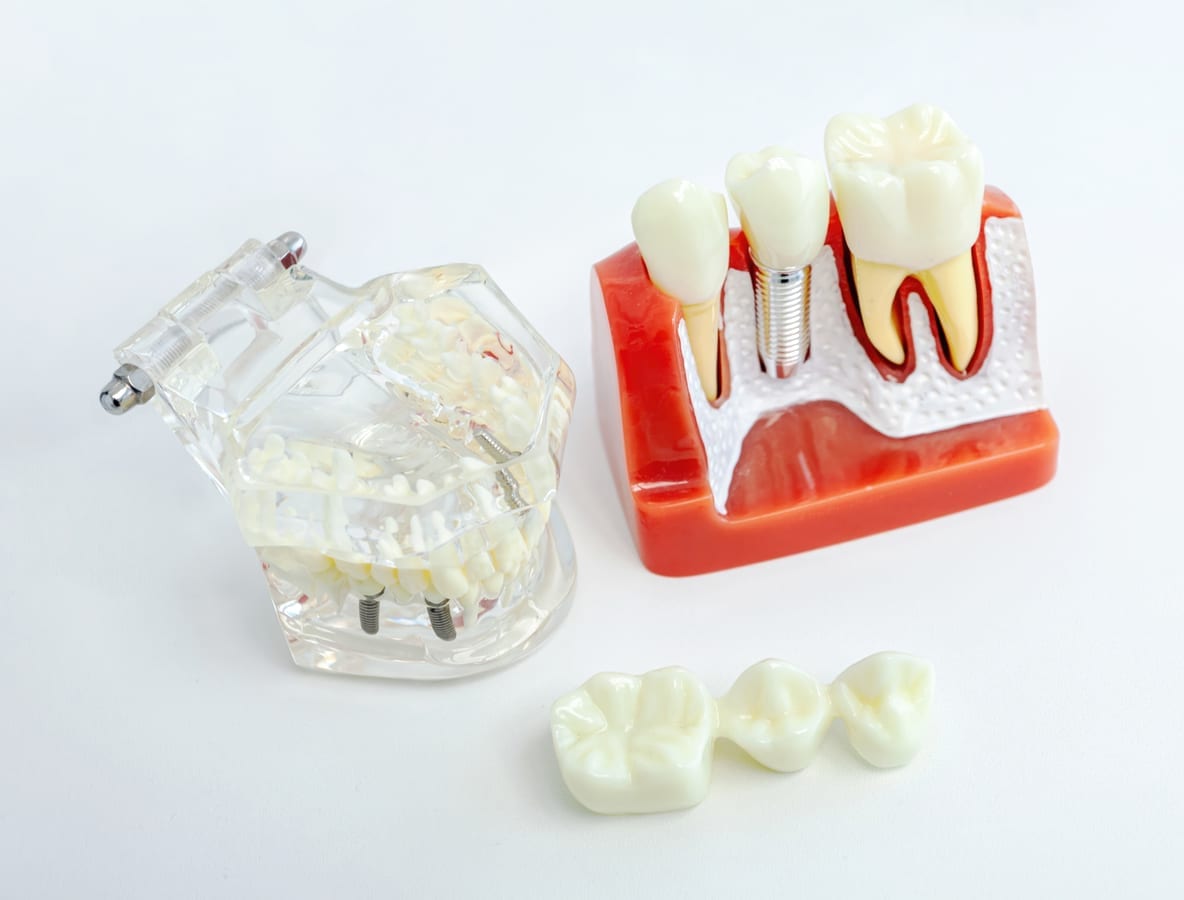
Dental implants work because they mimic a natural tooth root. The titanium post fuses with living bone in a process called osseointegration. The longer you wait, the less bone exists to anchor that implant securely.
Warning Signs Your Shifting Teeth Are Telling You Something Serious
Your shifting teeth may signal you’ve waited too long for implants in Mountain Home if you notice any of these physical changes happening in your mouth. These aren’t cosmetic quirks. They are structural warnings your body is sending you.
Watch closely for these red flags:
- Visible gaps widening between teeth that were once close together
- Teeth tilting or rotating toward the empty space left by a missing tooth
- Changes in your bite — teeth no longer meet the way they used to
- Difficulty chewing on one side due to instability or soreness
- A sunken or hollowed appearance in your cheeks or jaw area
- Increased sensitivity in teeth that have moved out of their normal position
Each of these signs points to progressive bone loss and structural instability. Ignoring them accelerates the problem and narrows your treatment options.
What Bone Loss Actually Means for Your Implant Eligibility
Bone loss is the most critical factor dentists evaluate before placing implants. Sufficient bone density and volume are essential for a successful procedure. Without adequate bone, the implant has nothing solid to anchor into.
Patients who have lived with missing teeth for years sometimes discover they now require bone grafting before implants can be placed. This adds time and complexity to the overall treatment. It is entirely preventable when treatment begins early.
Dr. Dover uses advanced imaging at Dover Family Dentistry to measure your current bone levels accurately. This gives patients a clear picture of where they stand. It also helps create a realistic and personalized treatment timeline.
If bone grafting is necessary, it is not the end of the road. It simply means your journey to a stable, permanent smile takes a few extra steps. Starting that conversation today is always better than waiting another year.
Difficulty Chewing Is More Than an Inconvenience
Many patients dismiss chewing difficulty as something they have simply adapted to. They cut food into smaller pieces. They favor one side of their mouth. They avoid certain foods altogether. But this compensation creates its own problems.
Uneven chewing pressure puts excess stress on remaining natural teeth. Those teeth wear down faster. They crack more easily. They may eventually need their own restorative work. What began as one missing tooth can quietly become a cascade of dental issues.
Nutritional health also suffers when chewing is compromised. Patients tend to avoid hard, crunchy fruits and vegetables. These are often the most nutrient-dense foods available. Over time, this dietary shift can affect overall health — not just your smile.
Dental implants restore full, comfortable chewing function. They distribute bite force the way natural teeth were designed to. Patients often describe the improvement as life-changing once they experience it firsthand.
When a Dental Emergency Accelerates the Need for Implants
Sometimes the path to needing implants begins with a sudden event rather than gradual decline. A Dental Emergency — like a cracked tooth, a traumatic injury, or an abscess requiring extraction — can put patients in an immediate decision-making position about tooth replacement.
In these situations, acting quickly matters even more. The window for ideal implant placement is widest immediately after an extraction. Waiting even a few months can mean measurable bone loss at the extraction site.
If you recently experienced a dental emergency that resulted in tooth loss, schedule a consultation as soon as possible. The earlier you discuss implant options, the more straightforward and successful the process is likely to be.
What to Expect When You Come In for an Implant Consultation
Many patients feel anxious about the implant process because they do not fully understand what it involves. Knowing what to expect removes a lot of that uncertainty. Here is a general overview of what happens at Dover Family Dentistry:
- Comprehensive exam: Dr. Dover evaluates your teeth, gums, and existing bone structure thoroughly.
- Digital imaging: Advanced X-rays or 3D scans reveal bone volume and identify the ideal implant placement sites.
- Treatment planning: A personalized plan is created based on your specific anatomy and goals.
- Implant placement: The titanium post is surgically placed into the jawbone during a precise procedure.
- Healing period: The implant fuses with bone over several months while a temporary restoration protects the site.
- Final restoration: A natural-looking crown is attached, completing your new tooth.
Sedation options are available for patients who feel nervous about any step in this process. Dover Family Dentistry prioritizes your comfort at every stage of care.
Understanding your Dental Insurance benefits and financial options is also part of an informed treatment decision. The team at Dover Family Dentistry can help you navigate those details before you commit to any treatment plan.
Take Action Before the Window Closes
Bone loss, shifting teeth, and chewing difficulty are not problems that resolve on their own. They are progressive. Each month of inaction makes treatment more involved. The good news is that patients in Mountain Home have access to comprehensive implant care right here with Dr. Matthew Dover.
You do not need to travel far or wait for a specialist referral. Dover Family Dentistry handles implant consultations, placement, and restoration all in one trusted location. The team is committed to honest, patient-centered education — not pressure.
If any of the warning signs in this article sound familiar, this is the right time to act. Early intervention protects your bone, stabilizes your remaining teeth, and restores your quality of life. Book Now to schedule your appointment with our team.
Frequently Asked Questions
How soon after losing a tooth should I consider a dental implant?
Ideally, you should begin a consultation within a few months of tooth loss. Bone resorption starts quickly after extraction. Acting early gives you the best chance of sufficient bone for a straightforward implant procedure without the need for grafting.
Can I still get implants if I have had missing teeth for several years?
Yes, implants are often still possible even after years of tooth loss. However, bone grafting may be required first to rebuild the volume needed to support an implant. Dr. Dover will evaluate your bone levels with imaging and explain exactly what your treatment would involve.
Is the dental implant procedure painful?
Most patients report less discomfort than they expected. Local anesthesia is used during placement, and sedation options are available for anxious patients. Post-procedure soreness is typically manageable with over-the-counter pain relief and resolves within a few days.
Why are my remaining teeth shifting after I lost a tooth?
Teeth rely on their neighbors for structural support. When one tooth is missing, adjacent teeth lose that support and begin to drift or tilt into the empty space. This shifting changes your bite, creates new gaps, and accelerates bone loss in the area.
How long do dental implants last?
With proper care, dental implants can last a lifetime. The titanium post integrates permanently with the jawbone, making it one of the most durable tooth replacement options available. Regular dental cleanings and good home care are essential to protecting your investment.